
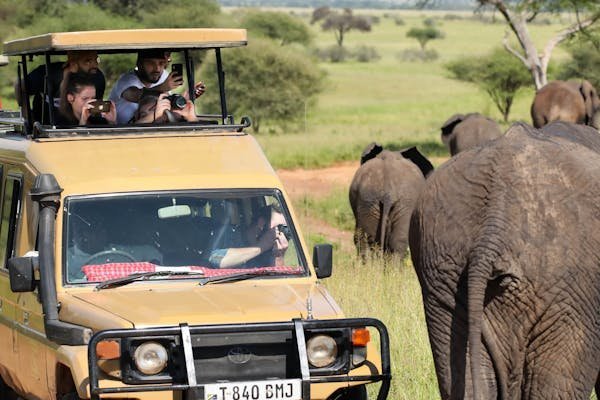
The Ngorongoro Crater is one of Africa's most extraordinary natural wonders, a place where wildlife thrives in a landscape of breathtaking beauty and ancient history. Often described as the "Eighth Wonder of the World," this vast volcanic caldera is a UNESCO World Heritage site and one of the most remarkable wildlife destinations on the planet. A tour of the Ngorongoro Crater is not just a safari; it is a journey into the heart of the African wilderness, where every turn reveals something unforgettable.
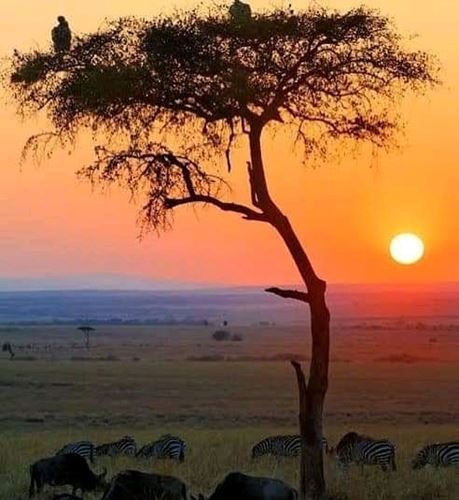
The Ngorongoro Crater – A Natural Masterpiece
The Ngorongoro Crater is the world's largest intact volcanic caldera, formed millions of years ago when a massive volcano erupted and collapsed in on itself. The result is a vast, bowl-shaped depression spanning approximately 260 square kilometers, with walls rising over 600 meters high. This natural amphitheater has created a unique ecosystem where wildlife thrives in relative isolation, making it one of the most concentrated wildlife viewing areas in Africa.
The crater floor is a diverse landscape of grasslands, swamps, lakes, and forests, providing a rich habitat for an incredible variety of animals. The soda lake at the center of the crater, Lake Magadi, attracts thousands of flamingos, creating a stunning contrast of pink against the blue waters and green grasslands. The crater's walls are covered in lush forests, which provide shelter for elephants and other wildlife. The diversity of habitats within such a relatively small area makes the Ngorongoro Crater a truly remarkable destination.
The Wildlife of Ngorongoro
One of the most remarkable aspects of the Ngorongoro Crater is its incredible concentration of wildlife. The crater is home to approximately 25,000 large animals, making it one of the densest wildlife populations in Africa. The lack of migration in and out of the crater means that the animals are resident year-round, providing excellent viewing opportunities at any time of the year.
The Big Five in One Place
The Ngorongoro Crater is one of the few places in Africa where you have a realistic chance of seeing all of the Big Five in a single day. The crater is home to a significant population of lions, including the famous black-maned lions of the Crater. The elephants here are often seen browsing in the forests on the crater walls, while leopards and rhinos can be spotted in the dense vegetation. Buffalo herds are common on the crater floor, often seen grazing alongside zebras and wildebeest.
The Flamingos of Lake Magadi
Lake Magadi, the soda lake at the center of the crater, is a stunning sight. The lake is home to thousands of flamingos, whose pink plumage creates a striking contrast against the blue waters and green grasslands. The flamingos feed on the algae and small crustaceans in the lake, making the crater their home throughout the year.
Other Remarkable Wildlife
Beyond the Big Five, the crater is home to a wide variety of other animals, including hippos, hyenas, jackals, and cheetahs. The crater is also a birdwatcher's paradise, with over 500 species of birds recorded in the area. The ostriches, kori bustards, and secretary birds are particularly impressive, while the numerous raptors, including eagles and vultures, soar overhead.
The Maasai People and Their Culture
The Ngorongoro Crater is not just a wildlife destination; it is also a place of rich cultural heritage. The Maasai people have lived in the area for centuries, and their traditional way of life is deeply intertwined with the landscape. The Maasai are a semi-nomadic people who have coexisted with the wildlife of the Ngorongoro Conservation Area for generations, and their culture and traditions are an essential part of the region's charm.
A visit to a Maasai village offers a unique insight into the traditional way of life. The Maasai people are known for their distinctive red clothing, intricate beadwork, and traditional dances. Visitors can learn about their customs, visit their homes, and experience their hospitality. The relationship between the Maasai and the wildlife is a testament to the possibility of coexistence, and their knowledge of the land is invaluable.
The Olduvai Gorge – The Cradle of Mankind
Located in the Ngorongoro Conservation Area, the Olduvai Gorge is one of the world's most significant archaeological sites, often referred to as the "Cradle of Mankind." It was here that Dr. Louis Leakey and his team discovered some of the earliest evidence of human evolution, including the remains of early hominids dating back nearly two million years.
The Olduvai Gorge offers a fascinating glimpse into our distant past. Visitors can explore the gorge and visit the museum, which houses a collection of fossils and artifacts that tell the story of human evolution. Standing in the gorge and looking at the layers of sediment is a humbling experience, reminding us of our place in the long history of life on Earth.