Northern Tanzania isn't just a destination — it's a living travel diary where every mile tells a different story . From the humid coastline to the cooler northern highlands, the land stretches wider and wilder, revealing a region that has become the undisputed backbone of the country's tourism success .
In 2025, Tanzania recorded approximately 5.3 million visitors, generating nearly 3.9 billion US dollars in tourism revenue — proof that the Northern Circuit is delivering on its global reputation .
The World's Greatest Wildlife Spectacle
The Serengeti
Home to the Great Migration, the Serengeti is Africa's most famous wildlife destination . Over a million wildebeest, zebras, and gazelles move in a continuous cycle across the plains, pursued by the continent's highest predator concentration . Lions, leopards, and cheetahs dominate the food chain, offering a wildlife spectacle unlike anywhere else on Earth.
Ngorongoro Crater
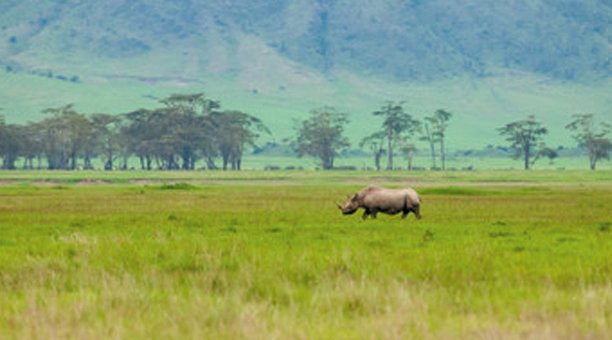
The world's largest intact volcanic caldera, Ngorongoro is a natural amphitheater teeming with wildlife . The crater hosts one of the highest densities of wildlife in Africa, including all members of the Big Five — lion, leopard, elephant, buffalo, and the critically endangered black rhino . Over 700,000 visitors explore the crater annually .
A Landscape of Surreal Diversity
The region's geography is astonishingly varied:
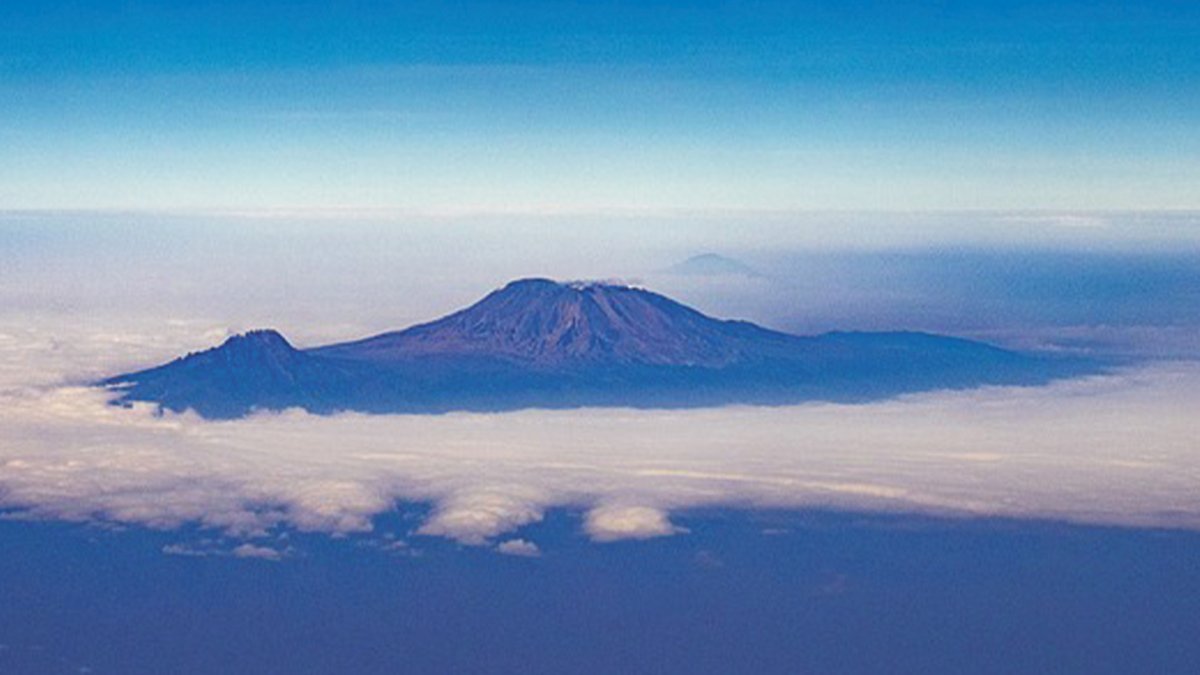
- Mount Kilimanjaro — Africa's tallest peak, towering at 5,895 meters
- Mount Meru — Tanzania's second-highest peak, offering one of East Africa's most rewarding treks
- Lake Natron — A highly alkaline lake serving as East Africa's primary breeding ground for lesser flamingos
- Ol Doinyo Lengai — The world's only active carbonatite volcano, known to the Maasai as the "Mountain of God"
- The Great Rift Valley — A dramatic escarpment running through the region

Beyond the Big Five
Tarangire National Park
Famous for its large elephant herds and iconic baobab trees, Tarangire offers a quieter safari experience . During the dry season, hundreds of elephants gather along the Tarangire River, their movements shaping the rhythm of the plains.
Lake Manyara
A compact park with remarkable biodiversity, Lake Manyara is renowned for its tree-climbing lions and large flocks of flamingos gathering in shimmering pink clusters along the shoreline .
Arusha National Park
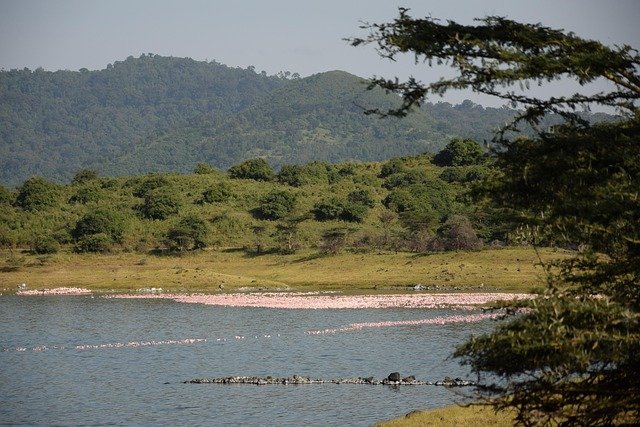
A mosaic of habitats — montane forest, crater lakes, open grasslands, and volcanic slopes — this park is home to black-and-white colobus monkeys and the challenging slopes of Mount Meru .
Where Humanity Meets History
The region is one of Africa's most significant archaeological landscapes. The Lake Eyasi Basin contains dense, stratified archaeological records spanning from the Middle Pleistocene to historical periods, offering unique insight into modern human behavior and technological change .
Near Lake Eyasi, the Hadza — among the last remaining hunter-gatherer societies in Africa — preserve a way of life that has endured for thousands of years . Alongside them, the Datoga community maintains traditional blacksmithing skills, creating a living connection to ancient cultures.
The Ngorongoro Conservation Area is also home to Maasai pastoralists, whose coexistence with wildlife conservation gives the area a unique dual identity — both ecological and cultural .
Why It's So Special
Northern Tanzania offers an unparalleled combination of natural wonders, wildlife abundance, cultural depth, and breathtaking landscapes . It's a place where:
- The Great Migration unfolds year-round
- The Big Five roam freely
- Ancient human history lies beneath your feet
- Living traditions continue among the Maasai and Hadza
- Volcanic craters, soda lakes, and snow-capped peaks stand side by side
As one safari specialist puts it: "You'd be hard-pressed to encounter as many species and landscapes in just a few days as you can here" .
Plan Your Visit
Best Time to Visit: January-March offers warm, clear conditions; June-October provides reliable weather and prime wildlife viewing . The Serengeti's river crossings are best viewed from July-September, while the calving season occurs between December and March .
Getting Around: A private driver or light aircraft between wildlife areas ensures you maximize your time experiencing this extraordinary region .
Extend Your Adventure: Combine your northern Tanzania safari with a relaxing finale on Zanzibar — just a short flight from Arusha — where white-sand beaches, spice tours, and Stone Town's rich history await .
Northern Tanzania isn't just a safari destination — it's a living atlas where ancient landscapes continue shaping modern opportunity. Whether you're witnessing a lion hunt on the Serengeti plains or standing on the rim of the Ngorongoro Crater at sunrise, the experience will stay with you forever.