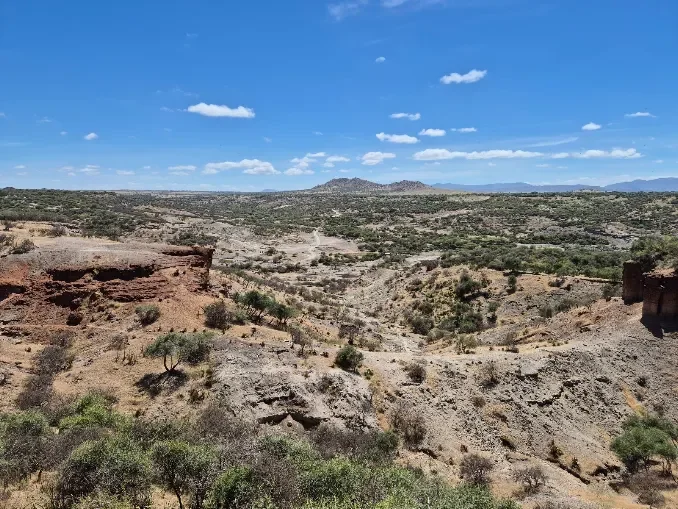
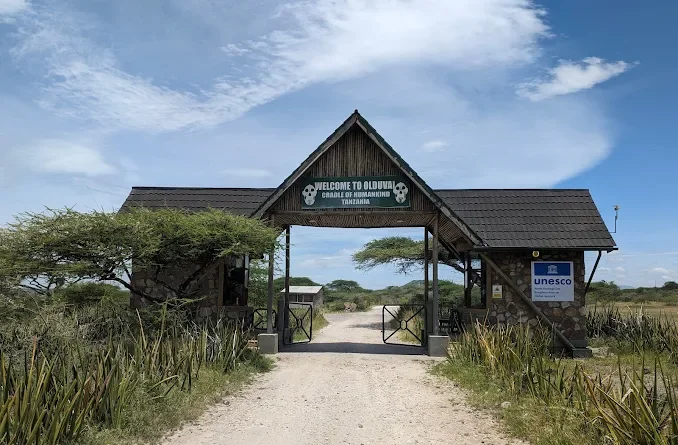
Olduvai Gorge Tanzania is one of the world’s most important archaeological and paleoanthropological sites, offering travelers a fascinating journey into the deep history of human evolution. Located within the Ngorongoro Conservation Area in northern Tanzania, Olduvai Gorge is internationally recognized for remarkable fossil and stone-tool discoveries that have helped scientists understand the development of early human ancestors.
Often described as the “Cradle of Humankind,” Olduvai Gorge contains evidence dating back millions of years. Archaeological discoveries from the area have provided valuable insights into early human life, behavior, tools, and evolution, making it an exceptional destination for travelers interested in archaeology, anthropology, history, and African heritage.
A visit to Olduvai Gorge can also be combined with an unforgettable Tanzania safari. The site lies along the route between the Ngorongoro Crater and the Serengeti National Park, allowing travelers to combine archaeological exploration with spectacular wildlife experiences. Along the way, visitors can enjoy Tanzania’s dramatic landscapes and, depending on their safari itinerary, encounter famous African wildlife such as lions, elephants, zebras, wildebeest, and giraffes.
Whether you are a history enthusiast, archaeology lover, photographer, student, researcher, or safari traveler, Olduvai Gorge Tanzania offers a unique opportunity to explore one of the most significant places connected to the story of human origins.
With Morishas Tours & Safaris, you can include Olduvai Gorge in your Tanzania safari itinerary and experience its archaeological significance alongside the incredible wildlife and landscapes of northern Tanzania.
In This Guide, You Will Discover
- Where Olduvai Gorge is located
- The history and archaeological importance of the site
- Why Olduvai Gorge is called the Cradle of Humankind
- Major fossil and stone-tool discoveries
- The role of the Leakey family
- Olduvai Gorge Museum
- Things to see and do
- Best time to visit
- How to reach Olduvai Gorge
- Tours and safari options
- What to bring
- Frequently asked questions
- How to combine Olduvai Gorge with a Tanzania safari
Where Is Olduvai Gorge Located?
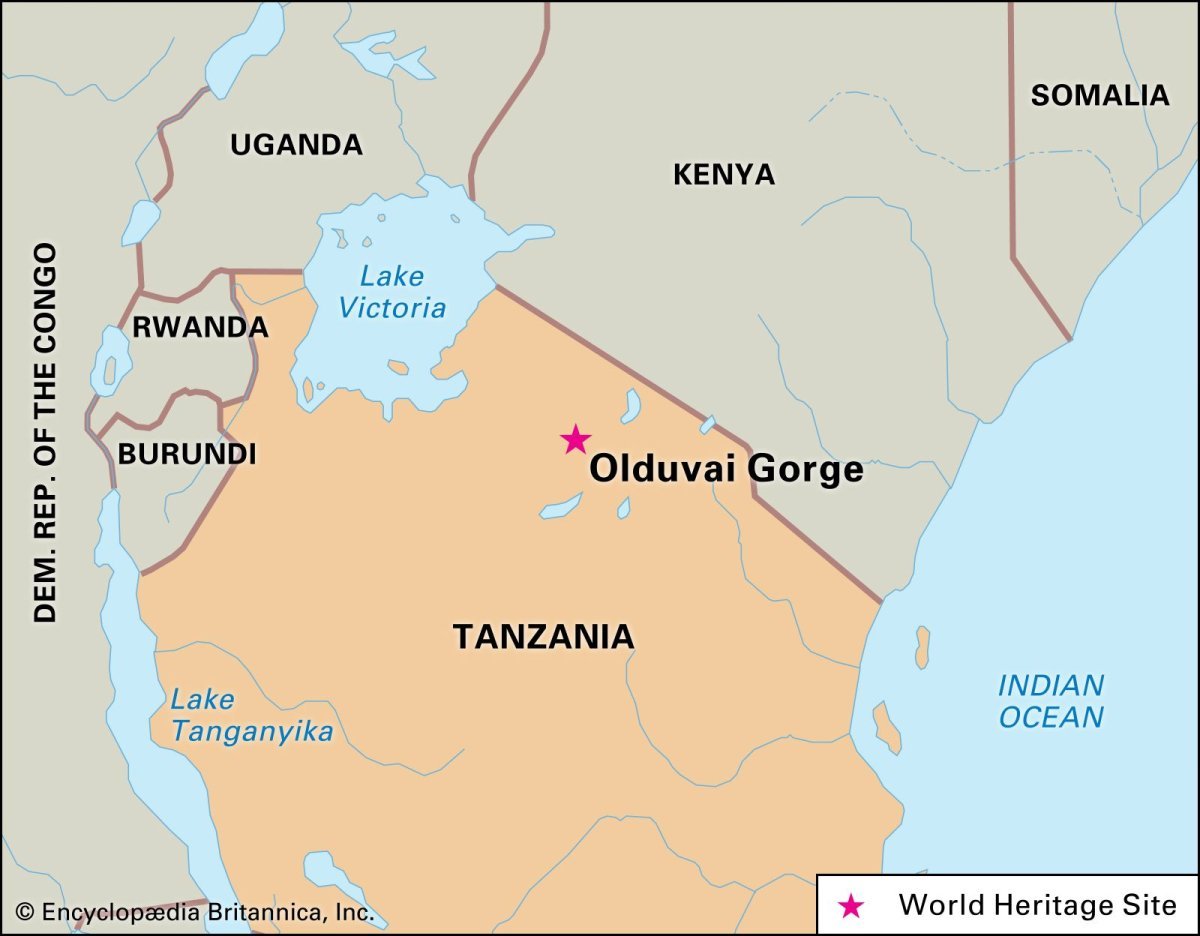
Olduvai Gorge is located in northern Tanzania, within the Ngorongoro Conservation Area, in the northern part of the country. It lies between the Ngorongoro Crater and the Serengeti National Park, making it an important stop on many northern Tanzania safari itineraries.
The gorge stretches through an area of dramatic volcanic landscapes and ancient geological formations. Its location in the Great Rift Valley region is particularly significant because geological and environmental conditions helped preserve fossils, animal remains, and stone tools from different periods of human evolution.
How Far Is Olduvai Gorge from Major Destinations?
| Starting Point | Approximate Distance | Typical Travel Time |
|---|---|---|
| Arusha | 240–270 km | 5–6 hours |
| Moshi | 280–310 km | 6–7 hours |
| Ngorongoro Crater | 45–55 km | 1.5–2 hours |
| Serengeti National Park | 70–100 km | 2–3 hours |
Travel times can vary depending on road conditions, safari stops, weather, and the exact starting point.
Why Is Its Location Important?
Olduvai Gorge's location is one of the reasons it became such an important archaeological site. Over millions of years, volcanic activity, changing environments, erosion, and sediment deposition created layers containing evidence of ancient ecosystems and early human activity.
Today, travelers visiting Olduvai Gorge Tanzania can explore the archaeological area and learn about the discoveries that have contributed significantly to our understanding of human evolution and the Cradle of Humankind.
Its position between Ngorongoro and Serengeti also makes it convenient to include Olduvai Gorge in a Tanzania safari, particularly when traveling between these two famous destinations with Morishas Tours & Safaris.
Why Is Olduvai Gorge Famous?
Olduvai Gorge Tanzania is famous worldwide for its extraordinary archaeological and fossil discoveries, which have provided important evidence about early human evolution and life in ancient Africa. The site is considered one of the most significant paleoanthropological locations in the world.
Here are the main reasons Olduvai Gorge is so famous:
1. The Cradle of Humankind
Olduvai Gorge is widely associated with the “Cradle of Humankind” because researchers discovered ancient hominin fossils and archaeological evidence that have helped scientists understand the origins and development of early humans.
2. Millions of Years of Human History
The geological layers of Olduvai Gorge preserve evidence from different periods of the past. Fossils, stone tools, animal remains, and other archaeological materials have helped researchers reconstruct ancient environments and understand how early hominins lived.
3. Major Fossil Discoveries
The area became internationally famous following important discoveries made by Louis and Mary Leakey and other researchers. Among the notable finds are fossils associated with early human ancestors, including Homo habilis, an early human species linked to some of the earliest known stone-tool industries.
4. Ancient Stone Tools
Olduvai Gorge has produced numerous stone tools, providing evidence of early technology and helping researchers investigate how early humans obtained food, processed resources, and adapted to their surroundings.
5. Evidence of Ancient Environments
Olduvai's geological layers also contain fossils of animals and other remains. These discoveries help scientists understand the landscapes and ecosystems in which early humans lived.
6. An Important Tanzania Safari Attraction
Olduvai Gorge is not only important to scientists and historians. It is also an exceptional Tanzania safari attraction. Its location within the Ngorongoro Conservation Area, between the Ngorongoro Crater and Serengeti, makes it possible to combine archaeology and wildlife experiences in one itinerary.
Why Should You Visit Olduvai Gorge?
A visit allows you to go beyond traditional wildlife viewing and discover another fascinating side of Tanzania—its ancient history, archaeology, geology, and human evolution.
For travelers interested in African history, archaeology, anthropology, fossils, culture, and Tanzania safari tours, Olduvai Gorge offers an unforgettable opportunity to connect with the distant past.
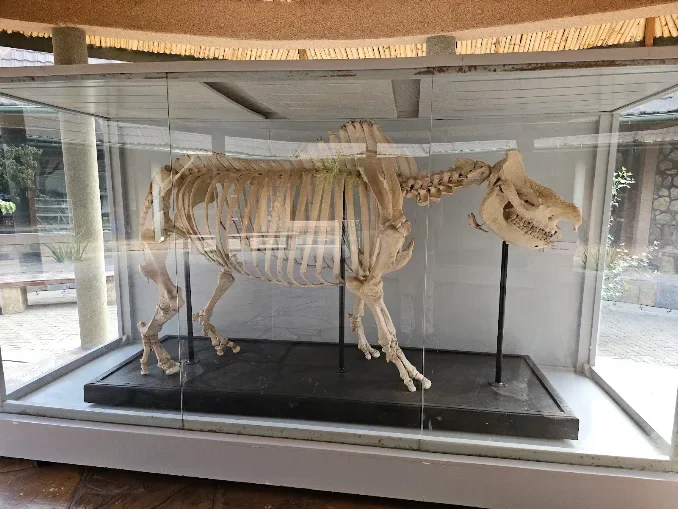
The History of Olduvai Gorge Tanzania
The history of Olduvai Gorge is closely connected to the study of human evolution. For millions of years, the area experienced changes in climate, volcanic activity, lakes, rivers, and wildlife. These natural processes created layers of sediments that preserved fossils, stone tools, and other evidence of ancient life.
The scientific importance of Olduvai Gorge began to attract greater attention during the 20th century, when researchers started systematically investigating the area.
Early Exploration
The gorge was first brought to the attention of European scientists in the early 1900s. German entomologist Hans Reck conducted an important expedition to Olduvai in 1913, where he documented fossils and geological deposits.
His work helped establish that the area contained significant evidence from the distant past.
The Leakey Family and Olduvai Gorge
Olduvai Gorge became internationally famous through the archaeological work of Louis Leakey and Mary Leakey. Beginning in the 1930s and continuing for decades, the Leakeys and their research teams carried out extensive excavations in the area.
Their discoveries included stone tools, animal fossils, and hominin remains, providing important evidence for understanding early human development.
Mary Leakey's Major Discoveries
One of the most significant moments in Olduvai Gorge's history came in 1959, when Mary Leakey discovered a hominin fossil later identified as Paranthropus boisei. The discovery attracted worldwide scientific attention and demonstrated the extraordinary archaeological importance of the site.
In 1960, the Leakey team discovered remains associated with Homo habilis, an early human species. The findings and associated stone tools contributed significantly to scientific understanding of early human behavior and technology.
Why the History Matters
The long history of archaeological research at Olduvai Gorge has helped transform our understanding of human evolution in Africa. Its fossils, stone tools, geological layers, and ancient environmental evidence continue to provide researchers with valuable information about how early hominins lived and adapted to changing environments.
Today, visiting Olduvai Gorge Tanzania gives travelers an opportunity to learn about this remarkable scientific history while exploring one of the most important archaeological sites in Africa.
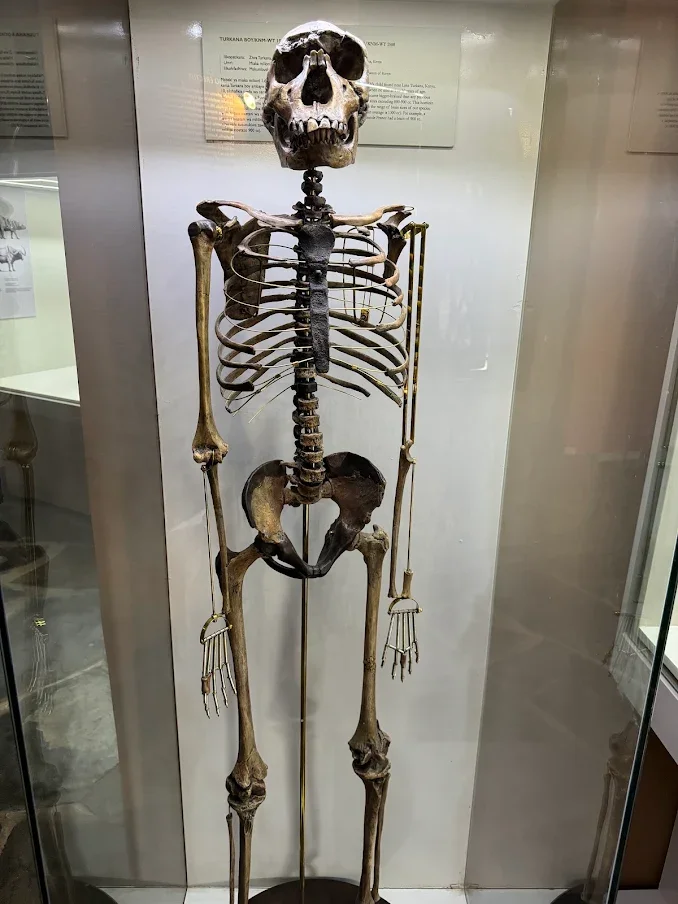
Olduvai Gorge and Human Evolution
Olduvai Gorge Tanzania is one of the most important archaeological sites for understanding the story of human evolution. The fossils, stone tools, animal remains, and geological layers discovered here have helped scientists reconstruct parts of the lives and environments of early human ancestors in Africa.
The discoveries at Olduvai do not mean that all humans originated specifically at Olduvai Gorge. Rather, the site provides exceptionally important evidence about early hominins and their development in East Africa, contributing to the broader scientific understanding of human origins.
Evidence of Early Human Ancestors
Researchers have discovered remains associated with several ancient hominins at Olduvai Gorge. Among the best-known discoveries are Paranthropus boisei and Homo habilis.
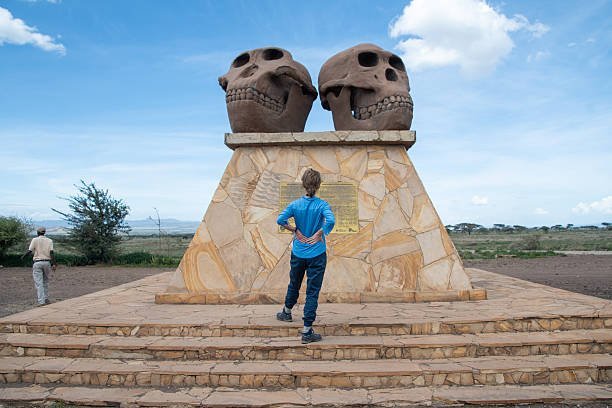
These discoveries helped scientists investigate important questions about early human evolution, including how our ancestors lived, what they ate, how they adapted to their environment, and how their physical characteristics changed over time.
Ancient Stone Tools
One of Olduvai Gorge's most significant archaeological features is its collection of ancient stone tools. These tools provide evidence of early technological behavior and demonstrate that ancient hominins were capable of selecting and modifying stones for practical purposes.
The tools are particularly important because they provide clues about how early humans processed food and interacted with their environment.
What Fossils Tell Us
Fossils found at Olduvai Gorge provide more than evidence of ancient humans. Animal fossils and other remains help researchers understand the ecosystems in which early hominins lived.
By studying these discoveries together with the geological layers, scientists can build a clearer picture of ancient landscapes, climate, animals, food sources, and human activity.
Why Olduvai Gorge Is Called the “Cradle of Humankind”
Olduvai Gorge is often promoted as the “Cradle of Humankind” because of its extraordinary contribution to research into human evolution. Its discoveries form part of the much larger body of evidence showing that Africa played a central role in the evolutionary history of humans.
For visitors, this makes Olduvai Gorge much more than a historical attraction. It is a place where archaeology, geology, anthropology, and Tanzania's natural heritage come together.
A Journey Through Human History
When you visit Olduvai Gorge, you are not simply looking at an ancient landscape. You are exploring a place where researchers have uncovered evidence that has changed how the world understands early human ancestors and their way of life.
This makes Olduvai Gorge an excellent addition to a Tanzania safari, especially for travelers who want to combine wildlife with history, archaeology, and cultural experiences.
The Leakey Family and Their Discoveries at Olduvai Gorge
The story of Olduva Gorg Tanzania Leakey family, whose archaeological and paleoanthropological research played a major role in making the site internationally famous. Their work uncovered important fossils and stone tools that contributed greatly to scientific understanding of early human evolution in Africa.
Louis and Mary Leakey
Louis Leakey and Mary Leakey began conducting archaeological research at Olduvai Gorge in the 1930s. Over many years, they and their research teams investigated the gorge's geological layers and uncovered fossils, stone tools, and remains of ancient animals and hominins.
Their discoveries helped establish Olduvai Gorge as one of the world's most important sites for studying human evolution and prehistoric life.
Mary Leakey's 1959 Discovery
One of the most important discoveries came in 1959, when Mary Leakey found a remarkably well-preserved hominin skull at Olduvai Gorge. The fossil was later identified as Paranthropus boisei, an extinct hominin species that lived in East Africa millions of years ago.
The discovery attracted international attention and demonstrated the extraordinary scientific importance of Olduvai Gorge.
Discovery of Homo habilis
In 1960, the Leakey research team discovered important remains associated with Homo habilis. This early human species is particularly significant because it is associated with early stone-tool technology.
The discoveries provided researchers with valuable evidence for studying the relationship between early human anatomy, behavior, and technology.
Ancient Stone Tools
The Leakey team's excavations also uncovered numerous stone tools from different archaeological layers. These tools became an important part of the evidence used to understand the technological abilities and daily activities of early hominins.
Studying these tools alongside fossil remains and geological evidence has helped scientists reconstruct aspects of life in ancient East Africa.
Why the Leakey Discoveries Matter
The work of Louis and Mary Leakey transformed Olduvai Gorge from a relatively little-known geological site into a world-famous destination for archaeology and human evolution research.
Their discoveries helped demonstrate the extraordinary archaeological richness of East Africa and contributed to the understanding of how early hominins lived, adapted to their environment, and developed technologies.
Olduvai Gorge Today
Today, visitors can learn about the Leakeys' discoveries and the broader history of human evolution at the Olduvai Gorge Museum. Combining a visit to the museum and archaeological site with a safari in the Ngorongoro Conservation Area creates a unique experience that connects Tanzania's ancient human history with its spectacular wildlife and landscapes.
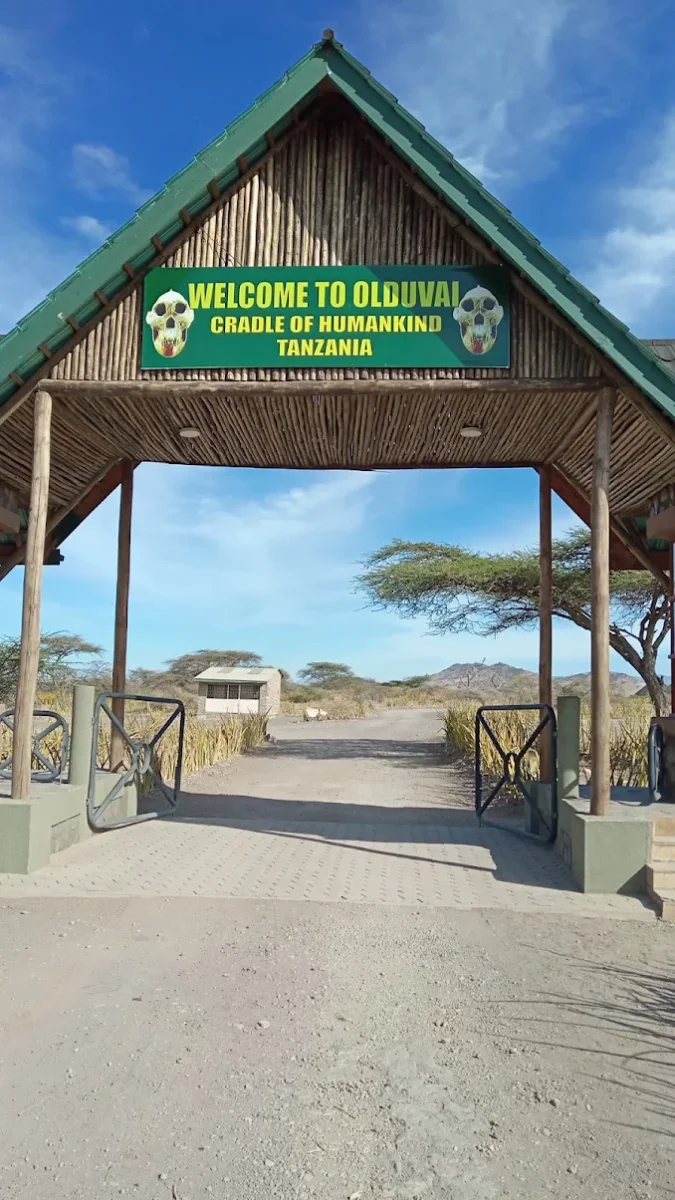
What Can You See at Olduvai Gorge?
Olduvai Gorge is one of Tanzania's most remarkable historical and archaeological sites, offering visitors a fascinating journey into the origins of humankind. Located within the Ngorongoro Conservation Area, this world-famous gorge stretches for about 48 kilometers and has revealed some of the oldest evidence of early human ancestors ever discovered.
1. Olduvai Gorge Museum
The museum is the perfect starting point for your visit. It showcases fossils, stone tools, ancient animal remains, maps, and informative exhibits that explain the discoveries made by renowned archaeologists Dr. Louis Leakey and Dr. Mary Leakey. Visitors can also watch educational presentations that bring millions of years of human history to life.
2. The Famous Excavation Sites
A guided tour takes you to the actual excavation areas where groundbreaking discoveries were made. These sites include the locations where early hominin fossils and primitive stone tools were uncovered, helping scientists understand the evolution of human beings.
3. Spectacular Gorge Views
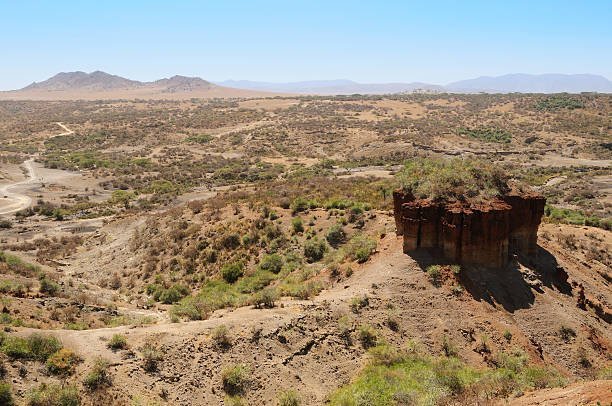
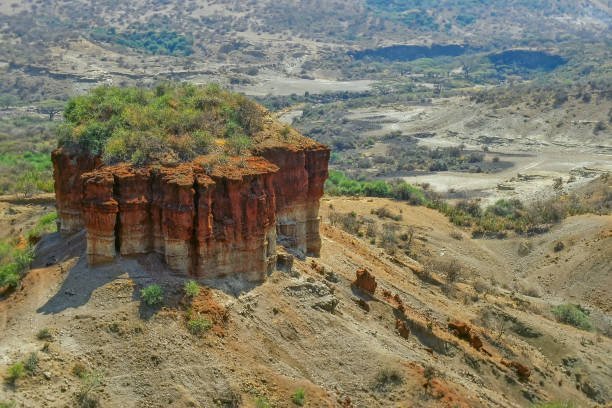
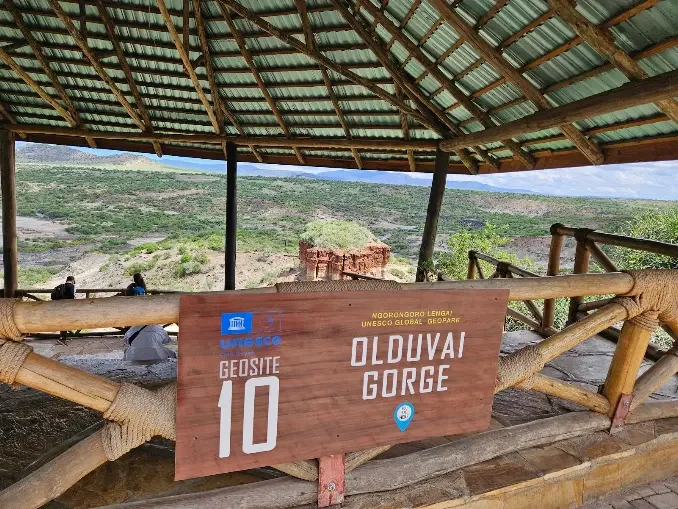
Several viewpoints overlook the dramatic layers of the gorge, revealing millions of years of geological history. The colorful rock formations and deep valleys provide excellent opportunities for photography while showcasing how natural erosion exposed these ancient archaeological treasures.
4. Laetoli Footprints (Nearby Site)
Although located a short distance from the main gorge, the Laetoli area is famous for preserving 3.6-million-year-old footprints believed to have been left by early human ancestors walking across volcanic ash. These footprints provide some of the earliest direct evidence of upright walking.
5. Wildlife Around the Gorge
Olduvai Gorge lies within the Ngorongoro Conservation Area, where visitors may encounter zebras, wildebeests, gazelles, ostriches, giraffes, and many bird species. Predators such as lions and hyenas are also occasionally seen in the surrounding plains.
6. Cultural Encounters
Many tours include opportunities to visit nearby Maasai communities. Visitors can learn about traditional Maasai culture, customs, homes, dances, livestock keeping, and their unique way of life that has coexisted with wildlife for generations.
Why Visit Olduvai Gorge?
A visit to Olduvai Gorge offers much more than beautiful scenery. It allows travelers to stand where some of humanity's earliest ancestors once lived, making it one of the most significant archaeological destinations in the world. Combined with spectacular landscapes, fascinating history, abundant wildlife, and rich cultural experiences, Olduvai Gorge is an unforgettable stop on any Northern Tanzania safari.
Olduvai Gorge Museum: Discover the Story of Human Evolution
The Olduvai Gorge Museum is an important stop for travelers visiting Olduvai Gorge in northern Tanzania. The museum helps visitors understand the archaeological discoveries made in the gorge and the scientific research that has contributed to our knowledge of human evolution and prehistoric Africa.
Located near the archaeological site within the Ngorongoro Conservation Area, the museum provides an excellent introduction to the fossils, stone tools, ancient animals, and geological history associated with Olduvai Gorge.
What Can You Learn at the Museum?
Visitors can learn about:
- Early human ancestors discovered in the Olduvai area
- Ancient stone tools and their importance in understanding early technology
- Fossil discoveries made during archaeological excavations
- Prehistoric animals that lived in the region
- Geological layers and how they preserve evidence from the distant past
- The history of archaeological research at Olduvai Gorge
- The important work of Louis and Mary Leakey and other researchers
Why Visit the Olduvai Gorge Museum?
The museum makes the archaeological story easier to understand before or after exploring the gorge itself. Instead of simply seeing the landscape, visitors can learn what was discovered there, how researchers studied it, and why Olduvai Gorge is so important to the study of human evolution.
For travelers interested in history, archaeology, anthropology, fossils, and African heritage, the museum adds significant educational value to a Tanzania safari.
Combine the Museum with a Tanzania Safari
One of the biggest advantages of visiting Olduvai Gorge is its location along the popular Ngorongoro–Serengeti safari circuit. Travelers can combine a visit to the museum with wildlife experiences in the Ngorongoro Conservation Area and Serengeti National Park.
With Morishas Tours & Safaris, you can include Olduvai Gorge Museum in a customized Tanzania safari and experience the fascinating connection between human history, archaeology, wildlife, and nature.
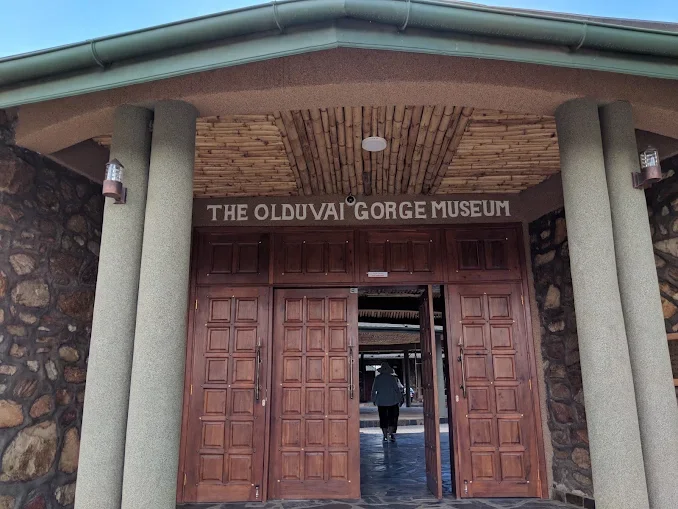
Top Things to Do at Olduvai Gorge
A visit to Olduvai Gorge Tanzania is an opportunity to explore one of Africa's most fascinating archaeological destinations while enjoying the spectacular landscapes of northern Tanzania. Whether you are interested in human evolution, archaeology, history, or safari adventures, there are several memorable experiences to enjoy.
1. Explore the Archaeological Site
Walk around the Olduvai Gorge area and observe the dramatic geological formations and exposed layers that have preserved evidence of ancient environments and human activity.
2. Visit the Olduvai Gorge Museum
Spend time at the museum to learn about important fossil discoveries, ancient stone tools, prehistoric animals, geological history, and archaeological research conducted at the site.
3. Learn About Human Evolution
Discover how evidence from Olduvai Gorge has helped researchers understand early human ancestors and the development of human behavior and technology.
4. Learn About the Leakey Family
Explore the history of Louis and Mary Leakey and their research at Olduvai Gorge. Their discoveries played a major role in bringing international attention to the site.
5. Discover Ancient Stone Tools
Learn about some of the ancient tools found in the gorge and how archaeologists use them to understand the activities and technological abilities of early hominins.
6. Enjoy the Surrounding Landscape
Take time to appreciate the spectacular scenery surrounding the gorge. The combination of ancient geological formations, open landscapes, and the wider Ngorongoro Conservation Area provides excellent opportunities for photography.
7. Combine Olduvai Gorge with a Wildlife Safari
Olduvai Gorge is ideally positioned for combining archaeology and wildlife. You can visit the gorge while traveling between the Ngorongoro Crater and Serengeti National Park, creating a more diverse Tanzania safari experience.
8. Take Educational and Wildlife Photography
Olduvai Gorge offers opportunities to photograph the archaeological landscape, museum surroundings, geological formations, and scenery. When combined with a safari, you can also capture Tanzania's famous wildlife and landscapes.
Best Experience
For the most rewarding visit, combine Olduvai Gorge, the Olduvai Gorge Museum, Ngorongoro Crater, and Serengeti National Park in one northern Tanzania safari itinerary. This allows you to experience the country's ancient human history, archaeology, wildlife, and natural beauty in a single journey.
Best Time to Visit Olduvai Gorge Tanzania
Olduvai Gorge can be visited throughout the year, but the best time depends on your travel preferences, weather conditions, road conditions, and whether you want to combine your visit with a Tanzania wildlife safari.
For most travelers, the dry seasons from June to October and January to February are excellent periods to visit. These months generally offer favorable conditions for safari activities, sightseeing, photography, and traveling between Olduvai Gorge, Ngorongoro, and Serengeti.
Olduvai Gorge by Season
| Season | Months | What to Expect | Recommendation |
|---|---|---|---|
| Dry Season | June–October | Generally dry weather, good visibility and easier safari conditions | ⭐ Excellent |
| Short Dry Season | January–February | Warm conditions and generally good wildlife viewing | ⭐ Excellent |
| Long Rains | March–May | More rain, greener landscapes and fewer visitors | Good for travelers who enjoy quieter trips |
| Short Rains | November–December | Occasional rainfall and green scenery | Good |
June to October – Excellent for Safari
The period from June to October is one of the most popular times to visit northern Tanzania. Roads are generally more suitable for safari travel, vegetation can be less dense, and wildlife viewing in the surrounding conservation areas can be rewarding.
This period is particularly suitable if you want to combine Olduvai Gorge with Ngorongoro Crater and Serengeti National Park.
January to February – Another Great Option
January and February can also be excellent months for a northern Tanzania safari. The landscapes can be greener following seasonal rains, while wildlife experiences remain rewarding.
This period can be particularly attractive to travelers who want to combine Olduvai Gorge with the Serengeti and experience the spectacular seasonal wildlife activity.
March to May – Green Season
The March to May period receives the long rains. Although rainfall can affect road conditions and travel schedules, this season can offer beautiful green landscapes and fewer tourists.
For travelers who prefer a quieter experience and do not mind occasional rain, this can be an interesting time to explore Olduvai Gorge.
November to December – Short Rains
The short rains generally occur during November and December. Rainfall is often intermittent, and the surrounding landscapes become greener.
Olduvai Gorge remains accessible during this period, although travelers should be prepared for changing weather and potentially muddy roads in some areas.
So, When Is the Best Time?
June to October is the best overall period for most travelers, particularly if Olduvai Gorge is part of a wider Tanzania safari.
However, there is no single month that is perfect for everyone. Your ideal travel period depends on whether you prioritize wildlife viewing, pleasant weather, green scenery, fewer tourists, photography, or budget considerations.
With Morishas Tours & Safaris, your Olduvai Gorge visit can be combined with other northern Tanzania destinations and customized according to your preferred travel dates and safari experience.
Olduvai Gorge Entrance Fees, Tour Costs & Safari Prices
Visiting Olduvai Gorge Tanzania involves more than simply paying an entrance fee. The total cost can depend on the applicable Ngorongoro Conservation Area fees, vehicle charges, guiding arrangements, accommodation, transportation, and other activities included in your safari itinerary.
The Ngorongoro Conservation Area Authority (NCAA) manages Olduvai Gorge and publishes the official tariffs for the area. Because fees can change without prior notice, travelers should confirm the latest rates before booking.
What Determines the Cost of an Olduvai Gorge Visit?
| Cost Factor | What It May Include |
|---|---|
| Conservation area fees | Applicable Ngorongoro Conservation Area entry charges |
| Olduvai Gorge access | Applicable fees for the Olduvai Gorge attraction |
| Safari vehicle | 4x4 safari vehicle and associated vehicle charges |
| Guide | Professional English-speaking or multilingual safari guide |
| Museum visit | Access to the Olduvai Gorge Museum where applicable |
| Transportation | Transfers from Arusha, Moshi, Ngorongoro or Serengeti |
| Accommodation | Lodges, tented camps or hotels depending on your package |
| Meals | Breakfast, lunch and dinner depending on the itinerary |
| Additional activities | Cultural experiences and other optional activities |
Is Olduvai Gorge Included in a Tanzania Safari?
Olduvai Gorge can be incorporated into a Northern Tanzania safari, particularly itineraries connecting Ngorongoro Crater and Serengeti National Park. Your tour operator can arrange the necessary permits, transportation and other services as part of the safari package.
Olduvai Gorge Safari Cost with Morishas Tours & Safaris
The final price of a safari including Olduvai Gorge depends on factors such as:
- Number of travelers
- Number of safari days
- Accommodation category
- Private or group safari
- Vehicle type
- Travel season
- Parks and attractions included
- Optional activities
Morishas Tours & Safaris can create a customized itinerary based on your preferred budget and travel style, whether you are looking for a budget, mid-range, or luxury Tanzania safari.
What to Bring When Visiting Olduvai Gorge Tanzania
A visit to Olduvai Gorge is an exciting combination of archaeology, history, geology, and safari adventure. Packing the right essentials will help you stay comfortable while exploring the site and traveling through the Ngorongoro Conservation Area.
Essential Things to Bring
| Item | Why You Need It |
|---|---|
| Comfortable walking shoes | Useful for exploring the archaeological site and surrounding areas |
| Lightweight clothing | Keeps you comfortable during daytime activities |
| Warm jacket or fleece | Useful during cool mornings and evenings, especially in the Ngorongoro highlands |
| Sun hat or cap | Protects you from strong sunlight |
| Sunscreen | Helps protect your skin from sun exposure |
| Sunglasses | Useful in bright and dusty conditions |
| Reusable water bottle | Keeps you hydrated during your visit |
| Camera or smartphone | Great for photographing the landscapes and safari experience |
| Binoculars | Useful when combining Olduvai Gorge with wildlife viewing |
| Insect repellent | Helpful during outdoor activities |
| Small daypack | Convenient for carrying your personal essentials |
| Hand sanitizer and tissues | Useful while traveling between destinations |
| Power bank | Helps keep your phone and camera charged |
| Personal medication | Bring any medication you regularly need |
Dress Comfortably for the Weather
Temperatures can vary considerably between different parts of northern Tanzania. Dress in light layers so you can easily adjust to changing temperatures.
For early morning departures, a warm layer is recommended, while lightweight clothing is more comfortable during warmer parts of the day.
Bring Your Camera
Olduvai Gorge offers excellent opportunities for landscape and travel photography. The dramatic geological formations and surrounding scenery make the area particularly interesting for photographers.
If your Olduvai visit is part of a safari, keep your camera ready because you may also encounter wildlife along the route between Ngorongoro and Serengeti.
Respect the Archaeological Site
Olduvai Gorge is an internationally important archaeological area. Visitors should:
- Follow instructions from their guide.
- Stay within designated visitor areas.
- Do not remove fossils, stones, or archaeological materials.
- Avoid touching or disturbing archaeological remains.
- Dispose of waste responsibly.
- Respect the natural environment and other visitors.
Travel Prepared with Morishas Tours & Safaris
When you book an Olduvai Gorge tour with Morishas Tours & Safaris, our team can provide practical advice about what to pack based on your itinerary, season, accommodation, and other destinations included in your Tanzania safari.
Olduvai Gorge vs Other Historical Attractions in Tanzania
Tanzania is famous for its wildlife and spectacular landscapes, but it also has a rich archaeological and cultural heritage. Olduvai Gorge stands out because of its connection to human evolution and prehistoric archaeology, while other attractions offer different perspectives on Tanzania's history and culture.
Comparison of Major Historical Attractions
| Attraction | Location | Main Importance | Best For |
|---|---|---|---|
| Olduvai Gorge | Ngorongoro Conservation Area | Human evolution, fossils and ancient stone tools | Archaeology & human history |
| Laetoli | Ngorongoro Conservation Area | Ancient hominin footprints | Human evolution & archaeology |
| Engaruka Ruins | Northern Tanzania | Ancient settlement and irrigation systems | Archaeology & ancient settlements |
| Bagamoyo | Coast of Tanzania | History, trade and cultural heritage | History & culture |
| Kilwa Kisiwani | Southern Tanzania | Medieval Swahili civilization and trading history | UNESCO heritage & archaeology |
| Zanzibar Stone Town | Zanzibar | Swahili, Arab, Indian and European cultural influences | Culture & architecture |
| Isimila Stone Age Site | Iringa Region | Ancient Stone Age tools and archaeological evidence | Prehistoric archaeology |
What Makes Olduvai Gorge Different?
The greatest distinction is its connection to the scientific study of human evolution. Olduvai Gorge has produced important hominin fossils, stone tools, animal remains, and geological evidence that have helped researchers investigate the lives and environments of ancient hominins.
This makes it particularly interesting for travelers who want to understand Tanzania's role in the broader story of human origins.
Olduvai Gorge and Laetoli
Olduvai Gorge and Laetoli are both important archaeological sites within the Ngorongoro Conservation Area. While Olduvai is especially famous for its fossils and stone tools, Laetoli is internationally known for ancient hominin footprints preserved in volcanic ash.
Combining these sites, where access and itinerary arrangements permit, can provide an even deeper understanding of prehistoric human history in Tanzania.
Olduvai Gorge and Bagamoyo
Bagamoyo offers a very different historical experience. Its importance is connected to Swahili coastal culture, trade, colonial history, and the history of the East African coast.
Therefore, travelers interested in human evolution and prehistoric archaeology may prefer Olduvai Gorge, while those interested in Swahili culture and more recent history may find Bagamoyo more appealing.
Olduvai Gorge and Zanzibar Stone Town
Stone Town provides a fascinating cultural and architectural experience, with historic buildings, narrow streets, markets, and centuries of interaction between African, Arab, Indian, and European cultures.
Olduvai Gorge, by comparison, takes visitors much further back in time, focusing on prehistoric archaeology and human evolution.
Which Historical Attraction Should You Visit?
There is no single best choice. It depends on your interests:
- Human evolution & fossils: Olduvai Gorge
- Ancient footprints: Laetoli
- Ancient settlements: Engaruka Ruins
- Swahili coastal history: Bagamoyo
- Medieval archaeology: Kilwa Kisiwani
- Culture & historic architecture: Stone Town
- Stone Age archaeology: Isimila
For travelers on a Northern Tanzania safari, Olduvai Gorge is especially convenient because it can be combined with Ngorongoro Crater and Serengeti National Park, creating a journey that combines archaeology, human history, wildlife, and nature.
Best Tanzania Safari Packages That Include Olduvai Gorge
Best Tanzania Safari Packages Including Olduvai Gorge
Because of its strategic location between Ngorongoro Crater and Serengeti National Park, Olduvai Gorge can easily be included in many Northern Tanzania safari packages. Adding Olduvai Gorge to your itinerary gives you the opportunity to combine incredible wildlife experiences with the fascinating story of human evolution.
Here are some of the best safari options that include a visit to Olduvai Gorge:
1. 3 Days Tanzania Safari: Ngorongoro Crater, Serengeti & Olduvai Gorge
Best for: Travelers with limited time who want wildlife and history.
Highlights:
- Explore the famous Serengeti plains
- Visit the Ngorongoro Crater
- Discover Olduvai Gorge and its archaeological importance
- Enjoy wildlife viewing of lions, elephants, zebras, wildebeest and other animals
2. 4 Days Classic Northern Tanzania Safari: Tarangire, Serengeti, Ngorongoro & Olduvai Gorge
Best for: First-time visitors to Tanzania.
Highlights:
- Experience Tarangire National Park’s elephants and baobab trees
- Explore the endless plains of Serengeti
- Visit the Ngorongoro Crater
- Stop at Olduvai Gorge to learn about human evolution
3. 5 Days Tanzania Safari: Tarangire, Serengeti, Ngorongoro & Lake Manyara with Olduvai Gorge
Best for: Travelers who want a complete northern circuit experience.
Highlights:
- Wildlife viewing in four famous destinations
- Scenic landscapes and diverse ecosystems
- Cultural and archaeological experience at Olduvai Gorge
- Opportunity to see the Big Five
4. 6 Days Great Migration Safari with Olduvai Gorge
Best for: Wildlife lovers and photographers.
Highlights:
- Follow the seasonal movements of wildebeest and zebras (depending on the time of year)
- Explore Serengeti National Park
- Visit Ngorongoro Crater
- Discover the history of Olduvai Gorge
5. Custom Tanzania Safari Including Olduvai Gorge
Olduvai Gorge can also be added to customized safari itineraries based on your interests, travel time, and budget.
Possible combinations include:
- Mount Kilimanjaro + Olduvai Gorge + Serengeti Safari
- Cultural tour + Olduvai Gorge + Wildlife Safari
- Family safari with educational experiences
- Luxury safari with archaeological excursions
- Private safari for couples, groups, and photographers
Why Include Olduvai Gorge in Your Safari?
Adding Olduvai Gorge creates a more complete Tanzania experience by combining:
✅ Wildlife adventures
✅ Ancient human history
✅ Archaeological discoveries
✅ Stunning landscapes
✅ Educational travel experiences
Instead of only seeing Tanzania’s wildlife, visitors also discover the deep history of the land and its importance in understanding human origins.
Explore Olduvai Gorge with Morishas Tours & Safaris
With Morishas Tours & Safaris, travelers can customize their Tanzania safari to include Olduvai Gorge together with iconic destinations such as Serengeti National Park, Ngorongoro Crater, Tarangire National Park, and Lake Manyara.
Our team helps create memorable safari experiences that combine nature, culture, archaeology, and adventure.
Why Visit Olduvai Gorge with Morishas Tours & Safaris?
Exploring Olduvai Gorge Tanzania is not just about visiting an archaeological site; it is about understanding the story of human history while experiencing the beauty of northern Tanzania. With Morishas Tours & Safaris, you can enjoy a well-planned journey that combines archaeology, wildlife, culture, and adventure.
1. Expert Safari Planning and Local Knowledge
Our experienced team has deep knowledge of Tanzania’s destinations, including Olduvai Gorge, Ngorongoro Conservation Area, Serengeti National Park, and other northern safari attractions. We help you create an itinerary that matches your interests, travel style, and available time.
2. Customized Safari Experiences
Every traveler has different expectations. Whether you want a short safari, a family adventure, a private tour, or an extended Northern Tanzania circuit, we can customize your trip to include:
- Olduvai Gorge Museum
- Archaeological site visits
- Wildlife safaris
- Cultural experiences
- Scenic landscapes
- Other Tanzania attractions
3. Professional Driver Guides
Our knowledgeable driver guides provide more than transportation. They share information about:
- Tanzania’s wildlife
- Local cultures
- Ancient history
- Archaeological discoveries
- Landscapes and ecosystems
This makes your Olduvai Gorge visit more educational and memorable.
4. Comfortable and Reliable Safari Vehicles
We use well-maintained 4x4 safari vehicles designed for Tanzania’s diverse terrain. Our vehicles provide comfort and excellent viewing opportunities while traveling through destinations such as Ngorongoro and Serengeti.
5. Responsible and Personalized Travel
At Morishas Tours & Safaris, we focus on creating meaningful travel experiences while respecting Tanzania’s natural environment, wildlife, local communities, and cultural heritage.
6. Combining History with Wildlife Adventure
One of the biggest advantages of booking with us is the ability to combine Olduvai Gorge with Tanzania’s famous safari destinations, allowing you to experience:
✅ The story of human evolution
✅ Ancient archaeological discoveries
✅ The Big Five wildlife experience
✅ Beautiful African landscapes
✅ Authentic Tanzania adventures
Start Your Olduvai Gorge Adventure
A journey to Olduvai Gorge is a journey through millions of years of history. Let Morishas Tours & Safaris help you discover the Cradle of Humankind, explore Tanzania’s incredible wildlife, and create unforgettable memories.
Frequently Asked Questions (FAQs) About Olduvai Gorge Tanzania
1. What is Olduvai Gorge famous for?
Olduvai Gorge is famous for its important archaeological and fossil discoveries that have helped scientists understand human evolution. It is known as the “Cradle of Humankind” because of the early human ancestor fossils and ancient stone tools discovered in the area.
2. Where is Olduvai Gorge located?
Olduvai Gorge is located in northern Tanzania within the Ngorongoro Conservation Area, between the Ngorongoro Crater and Serengeti National Park. It is one of the most important stops on the Northern Tanzania safari circuit.
3. Why is Olduvai Gorge called the Cradle of Humankind?
Olduvai Gorge is called the Cradle of Humankind because researchers discovered important evidence of early human ancestors, ancient tools, and fossils that contributed greatly to the study of human origins in Africa.
4. Who discovered Olduvai Gorge?
The scientific importance of Olduvai Gorge became widely recognized through the research of Louis and Mary Leakey and their teams. Their discoveries of fossils and stone tools helped establish the site as one of the world's most important archaeological locations.
5. What can I see at Olduvai Gorge?
Visitors can see and learn about:
- Olduvai Gorge archaeological site
- Olduvai Gorge Museum
- Ancient stone tools
- Fossil discoveries
- Geological formations
- Evidence of prehistoric environments
- Beautiful landscapes of the Ngorongoro Conservation Area
6. Can Olduvai Gorge be visited during a Tanzania safari?
Yes. Olduvai Gorge is one of the best attractions to include in a Northern Tanzania safari. It is commonly visited while traveling between Ngorongoro Crater and Serengeti National Park.
7. How long does it take to visit Olduvai Gorge?
A typical visit to Olduvai Gorge can take around 1–2 hours, depending on your interest, whether you visit the museum, and the amount of time spent learning about the archaeological discoveries.
8. What is the best time to visit Olduvai Gorge?
Olduvai Gorge can be visited throughout the year. However, the best overall time is usually during the dry seasons from June to October and January to February, when travel conditions are generally favorable and safari activities are excellent.
9. Is Olduvai Gorge suitable for children?
Yes. Olduvai Gorge can be a great educational experience for children, especially those interested in history, science, fossils, and nature. It provides a unique learning opportunity during a Tanzania family safari.
10. Can I combine Olduvai Gorge with Serengeti and Ngorongoro Crater?
Yes. Combining Olduvai Gorge, Serengeti National Park, and Ngorongoro Crater is one of the most popular safari routes in Tanzania. This allows travelers to experience wildlife, ancient history, and spectacular landscapes in one trip.
11. Do I need a guide to visit Olduvai Gorge?
While visitors may access the area independently, traveling with an experienced safari guide is highly recommended. A knowledgeable guide helps explain the archaeological discoveries, history, and importance of the site.
12. How much does an Olduvai Gorge tour cost?
The cost depends on your complete safari package, including transportation, park fees, accommodation, meals, guide services, and other destinations included. A customized safari with Morishas Tours & Safaris can be designed according to your budget and travel preferences.
13. Why should I visit Olduvai Gorge?
You should visit Olduvai Gorge because it offers a rare opportunity to explore a place connected to millions of years of human history while enjoying the incredible landscapes and wildlife of Tanzania.
Final Recommendation: Discover Olduvai Gorge Tanzania: The Cradle of Humankind
Olduvai Gorge Tanzania is more than just an archaeological site; it is a remarkable destination where travelers can connect with the ancient story of human evolution. With its world-famous fossil discoveries, ancient stone tools, fascinating geological history, and the important research of scientists such as Louis and Mary Leakey, Olduvai Gorge has earned its place as one of Africa’s most significant historical attractions.
Located between the Ngorongoro Crater and Serengeti National Park, Olduvai Gorge offers the perfect opportunity to combine archaeology with an unforgettable Tanzania safari experience. Visitors can explore the origins of human history while also enjoying breathtaking landscapes and incredible wildlife encounters.
Whether you are passionate about archaeology, history, photography, culture, or simply looking for a unique travel experience, a visit to Olduvai Gorge provides a deeper understanding of Tanzania’s natural and cultural heritage.
Explore Olduvai Gorge with Morishas Tours & Safaris
Make your journey to the Cradle of Humankind a memorable part of your Tanzania adventure. Morishas Tours & Safaris offers customized safari experiences that combine Olduvai Gorge with iconic destinations such as:
- Serengeti National Park
- Ngorongoro Crater
- Tarangire National Park
- Lake Manyara National Park
- Cultural experiences and other Tanzania attractions
Our experienced team will help you plan a safari that matches your interests, schedule, and budget while ensuring a comfortable, safe, and unforgettable experience.
Contact Morishas Tours & Safaris today and start planning your Olduvai Gorge and Tanzania safari adventure, where millions of years of human history meet the wonders of African wildlife.