Discover the Mkomazi National Park Black Rhino Sanctuary, Tanzania's leading rhino conservation project. Learn, explore, and book an unforgettable safari today.
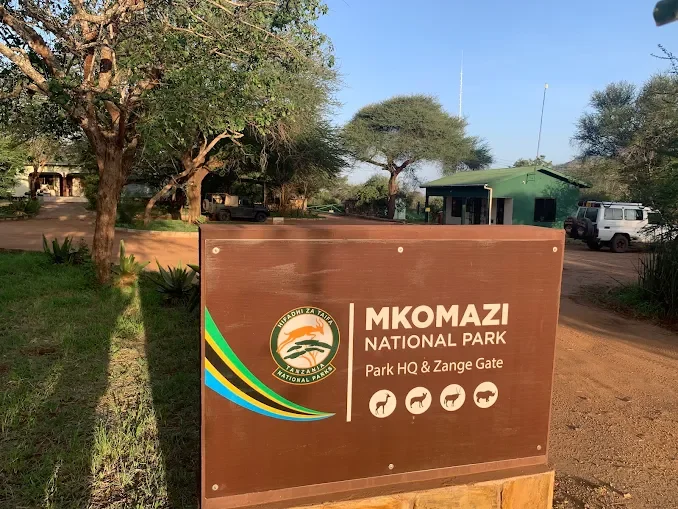
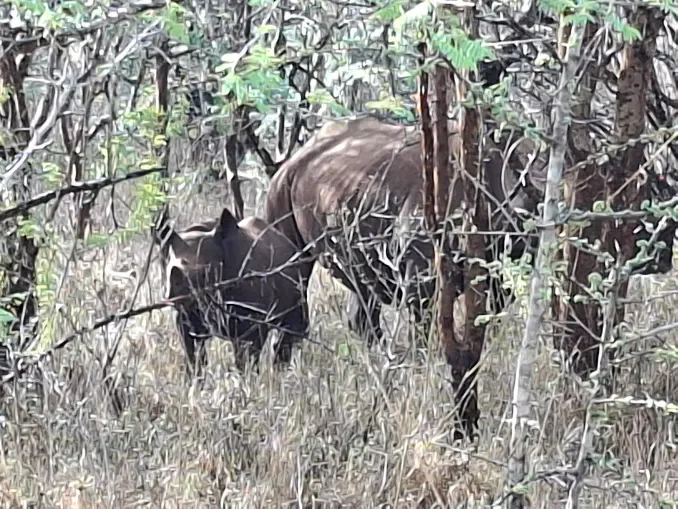
The Mkomazi National Park Black Rhino Sanctuary is one of Tanzania's most remarkable wildlife conservation success stories and a highlight for visitors exploring Mkomazi National Park. Established to protect the critically endangered eastern black rhinoceros, the sanctuary plays a vital role in restoring one of Africa's most threatened mammals while offering visitors a rare opportunity to learn about rhino conservation in a protected environment.
Unlike a traditional game drive, a visit to the Black Rhino Sanctuary provides a deeper understanding of the challenges facing black rhinos and the dedicated efforts being made to ensure their survival. Through carefully managed conservation programs, scientific monitoring, habitat protection, and anti-poaching measures, the sanctuary has become a symbol of hope for wildlife conservation in Tanzania.
For many travelers, seeing a black rhino is one of the most unforgettable moments of a safari. These powerful yet elusive animals were once widespread across East Africa, but decades of poaching and habitat loss caused their numbers to decline dramatically. Today, the Mkomazi National Park Black Rhino Sanctuary offers a safe refuge where black rhinos can thrive and where visitors can witness the results of long-term conservation efforts.
Whether you are a wildlife enthusiast, photographer, conservation supporter, student, or first-time safari traveler, visiting the sanctuary adds a unique and meaningful experience to your journey through Mkomazi National Park. It is more than just an opportunity to see a rare animal, it's a chance to understand how conservation, research, and community support work together to protect one of Africa's most iconic species for future generations.
In this guide, you'll discover everything you need to know about the Mkomazi National Park Black Rhino Sanctuary, including its history, conservation achievements, visitor experience, and why it has become one of Tanzania's most important wildlife attractions.
What Is the Mkomazi National Park Black Rhino Sanctuary?
The Mkomazi National Park Black Rhino Sanctuary is a specially protected conservation area within Mkomazi National Park dedicated to safeguarding the critically endangered eastern black rhinoceros (Diceros bicornis michaeli). Managed through the collaboration of the Tanzania National Parks Authority (TANAPA) and conservation partners, the sanctuary provides a secure habitat where black rhinos can breed, thrive, and gradually increase their population under close protection.
Unlike the rest of the national park, the sanctuary is a highly protected area with strict security measures to ensure the safety of these rare animals. Every rhino is carefully monitored by trained conservation staff, veterinarians, and park rangers who work around the clock to protect them from poaching and other threats.
The sanctuary is more than just a safe haven for black rhinos—it is a center for wildlife conservation, scientific research, education, and species recovery. Conservation teams monitor the health, behavior, and breeding success of each rhino while implementing long-term strategies to strengthen the population and preserve the species for future generations.
For visitors, the Black Rhino Sanctuary offers a unique opportunity to learn about one of Africa's greatest conservation success stories. During a guided visit, you'll gain valuable insight into the history of black rhino conservation, the challenges these animals face, and the ongoing efforts to ensure their survival in Tanzania.
Purpose of the Black Rhino Sanctuary
The sanctuary was established with several important conservation goals:
- Protect the critically endangered eastern black rhinoceros.
- Restore healthy black rhino populations in Tanzania.
- Prevent poaching through intensive security and monitoring.
- Support scientific research and wildlife conservation.
- Promote environmental education and public awareness.
- Contribute to global efforts to conserve endangered species.
Black Rhino Sanctuary at a Glance
| Feature | Details |
|---|---|
| Location | Mkomazi National Park, northeastern Tanzania |
| Main Purpose | Conservation and recovery of the eastern black rhinoceros |
| Protected Species | Eastern Black Rhinoceros (Diceros bicornis michaeli) |
| Managed By | Tanzania National Parks Authority (TANAPA) and conservation partners |
| Visitor Experience | Guided educational visit and rhino viewing |
| Conservation Focus | Rhino protection, breeding, research, and anti-poaching |
Why Is the Sanctuary So Important?
The eastern black rhinoceros is one of the world's most endangered large mammals. Without dedicated conservation initiatives like the Mkomazi National Park Black Rhino Sanctuary, this iconic species would face an even greater risk of extinction.
Today, the sanctuary stands as a symbol of Tanzania's commitment to wildlife conservation. It demonstrates how strong protection, scientific management, and international cooperation can help endangered species recover while allowing visitors to appreciate these magnificent animals in a responsible and sustainable way.
The History of the Mkomazi National Park Black Rhino Sanctuary
The history of the Mkomazi National Park Black Rhino Sanctuary is one of resilience, conservation, and hope. It reflects Tanzania's commitment to protecting one of Africa's most endangered animals and restoring a species that was once on the brink of disappearing from the country.
Black Rhinos Once Roamed Freely
Decades ago, eastern black rhinos were widely distributed across northern Tanzania, including the Mkomazi ecosystem. They played an important role in maintaining healthy ecosystems by browsing on shrubs and small trees, helping to shape the natural landscape.
However, during the 1970s and 1980s, illegal poaching for rhino horns increased dramatically across Africa. Combined with habitat loss, this caused black rhino populations to decline at an alarming rate. By the early 1990s, black rhinos had disappeared from Mkomazi.
A New Beginning for Rhino Conservation
Recognizing the urgent need to save the species, conservation organizations and the Tanzania National Parks Authority (TANAPA) launched an ambitious recovery program to reintroduce black rhinos to Mkomazi.
A secure sanctuary was established within the park, featuring strong anti-poaching measures, dedicated ranger patrols, veterinary care, and continuous monitoring. Carefully selected black rhinos were introduced into this protected environment to begin rebuilding a healthy breeding population.
This marked the beginning of one of Tanzania's most important wildlife conservation initiatives.
Conservation Success Through Partnership
The success of the sanctuary has been made possible through collaboration between TANAPA, international conservation organizations, wildlife experts, veterinarians, researchers, and dedicated park rangers.
Their combined efforts include:
- Protecting rhinos from poaching.
- Monitoring individual rhinos using modern tracking techniques.
- Providing veterinary care when needed.
- Supporting successful breeding programs.
- Conducting scientific research.
- Educating visitors about rhino conservation.
These ongoing efforts continue to strengthen the future of the eastern black rhinoceros in Tanzania.
A Symbol of Hope
Today, the Mkomazi National Park Black Rhino Sanctuary is recognized as one of Tanzania's leading conservation achievements. It demonstrates that with long-term commitment, effective protection, and international cooperation, endangered wildlife populations can recover.
For visitors, the sanctuary is more than just a place to see black rhinos, it is an inspiring example of how conservation can make a real difference for future generations.
History Timeline
| Period | Key Event |
|---|---|
| Before the 1970s | Black rhinos were widely found in the Mkomazi ecosystem. |
| 1970s–1980s | Intensive poaching caused a severe decline in black rhino populations. |
| Early 1990s | Black rhinos disappeared from Mkomazi. |
| Late 1990s | A protected Black Rhino Sanctuary was established and rhino reintroduction efforts began. |
| Today | The sanctuary continues to protect and support the recovery of eastern black rhinos through conservation, research, and education. |
Why This History Matters
The story of the Mkomazi National Park Black Rhino Sanctuary reminds us that conservation is a long-term commitment. Every successful birth, every protected rhino, and every visitor who learns about these incredible animals contributes to a brighter future for one of Africa's most iconic species.
Meet the Eastern Black Rhinoceros
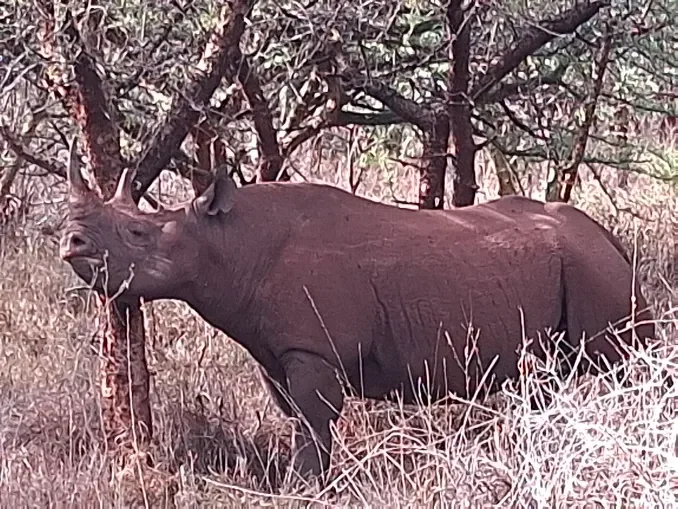
The eastern black rhinoceros (Diceros bicornis michaeli) is one of Africa's most iconic and endangered wildlife species. It is the main species protected at the Mkomazi National Park Black Rhino Sanctuary, where conservation efforts focus on ensuring its survival for future generations.
Although called the "black rhino," its name does not refer to its color. Like other African rhinos, it usually has grey skin. The name was historically used to distinguish it from the wider-ranging white rhinoceros, which has different feeding habits and body characteristics.
Physical Characteristics of the Eastern Black Rhino
The eastern black rhinoceros is a powerful and impressive animal known for its distinctive hooked upper lip, which helps it feed on shrubs, leaves, and branches.
| Feature | Description |
|---|---|
| Scientific Name | Diceros bicornis michaeli |
| Family | Rhinocerotidae |
| Size | Large, powerful-bodied mammal |
| Skin Color | Grey (despite the name "black rhino") |
| Horns | Usually two horns made of keratin |
| Diet | Mainly shrubs, leaves, shoots, and branches |
| Habitat | Savannas, bushlands, and dry forests |
| Behavior | Mostly solitary and territorial |
Unique Features of the Black Rhino
1. A Specialized Feeding Adaptation
One of the easiest ways to identify a black rhino is its pointed, prehensile upper lip. This adaptation allows it to grasp leaves, twigs, and branches from bushes and trees, making it a browser rather than a grass eater.
2. Strong Sense of Smell and Hearing
Black rhinos have excellent senses of smell and hearing, which help them detect other animals and navigate their environment. However, their eyesight is relatively poor, meaning they often rely on these stronger senses for survival.
3. Solitary Lifestyle
Unlike some social animals, black rhinos usually prefer living alone. Females may stay with their calves for several years, while adult males often establish territories that they defend.
Behavior and Daily Life
During a safari experience at the sanctuary, visitors may learn how black rhinos spend their days:
- Feeding on bushes and vegetation.
- Resting in shaded areas during hot periods.
- Moving through their territory in search of food and water.
- Communicating through sounds, scent markings, and body language.
Understanding their natural behavior helps visitors appreciate why protecting their habitat is so important.
Why Protecting Black Rhinos Matters
Black rhinos are considered a critically endangered species, mainly due to historical poaching for their horns and ongoing habitat challenges. Conservation areas such as the Mkomazi National Park Black Rhino Sanctuary provide a secure environment where these magnificent animals can be protected and their populations supported.
Every successful conservation effort brings hope for the future of this ancient species, which has existed for millions of years and remains an important part of Africa's natural heritage.
A Rare Safari Experience
Seeing a black rhino is one of the most special wildlife experiences in Africa. Unlike common safari sightings, rhino encounters are rare and meaningful because they represent the success of decades of conservation work.
A visit to the Mkomazi National Park Black Rhino Sanctuary allows travelers not only to see this incredible animal but also to understand the importance of protecting endangered wildlife.
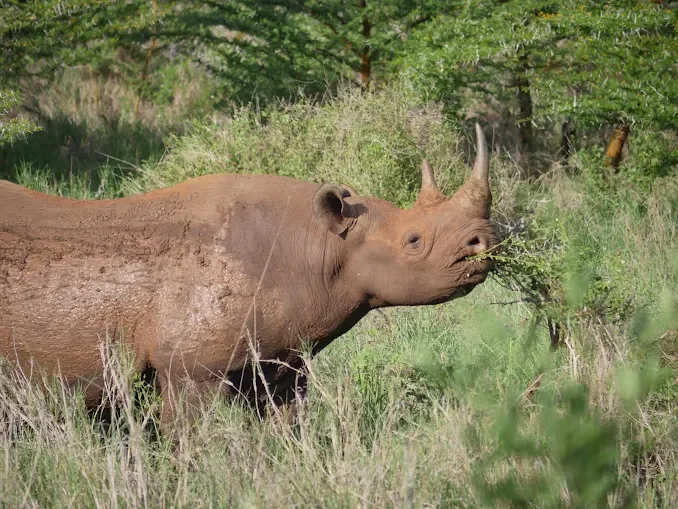
Inside the Mkomazi Black Rhino Conservation Program
The Mkomazi National Park Black Rhino Sanctuary is more than a place where black rhinos live, it is a carefully managed conservation program dedicated to protecting one of the world's most endangered mammals. Every day, wildlife experts, veterinarians, researchers, and park rangers work together to ensure the safety, health, and future of every rhino in the sanctuary.
Through science-based management and long-term conservation strategies, the sanctuary has become one of Tanzania's leading examples of successful wildlife protection.
1. 24-Hour Rhino Protection
Protecting black rhinos is the sanctuary's highest priority. Highly trained park rangers patrol the sanctuary day and night, using modern surveillance techniques and regular monitoring to keep the rhinos safe from illegal activities.
This constant protection creates a secure environment where rhinos can live and breed naturally.
2. Continuous Monitoring
Each black rhino is closely monitored by conservation teams. Rangers regularly observe their movements, behavior, feeding habits, and overall health to ensure they remain in good condition.
Monitoring also helps conservationists better understand the species and make informed management decisions.
3. Veterinary Care
Wildlife veterinarians play an important role in the conservation program. They carry out health assessments, treat injured or sick animals when necessary, and monitor the well-being of calves and adult rhinos.
Routine veterinary care helps maintain a healthy and growing rhino population.
4. Breeding and Population Recovery
One of the sanctuary's primary goals is to support the natural breeding of eastern black rhinos. Every successful birth represents another step toward rebuilding Tanzania's black rhino population and securing the future of the species.
Young rhinos receive close protection as they grow alongside their mothers in the sanctuary.
5. Scientific Research
Researchers study black rhino ecology, behavior, genetics, and habitat use to improve conservation strategies. Information gathered through research helps wildlife managers make better decisions for both the sanctuary and rhino conservation programs across Africa.
6. Visitor Education
The sanctuary also plays an important educational role. During guided visits, travelers learn about the history of black rhinos, the threats they have faced, and the remarkable efforts being made to protect them.
By increasing public awareness, the sanctuary inspires more people to support wildlife conservation.
Black Rhino Conservation Program Overview
| Conservation Activity | Purpose |
|---|---|
| 24-Hour Ranger Protection | Prevent poaching and safeguard rhinos |
| Rhino Monitoring | Track health, movements, and behavior |
| Veterinary Care | Maintain healthy rhino populations |
| Breeding Program | Increase the number of eastern black rhinos |
| Scientific Research | Improve conservation and management strategies |
| Visitor Education | Raise awareness about rhino conservation |
Conservation That Makes a Difference
The success of the Mkomazi National Park Black Rhino Sanctuary demonstrates that endangered species can recover when protected through dedicated conservation efforts, scientific management, and strong partnerships.
Every visitor who experiences the sanctuary also becomes part of this conservation story by learning about the importance of protecting black rhinos and supporting responsible tourism in Tanzania.
What to Expect During a Visit to the Mkomazi National Park Black Rhino Sanctuary
A visit to the Mkomazi National Park Black Rhino Sanctuary is one of the most memorable experiences in Tanzania. Unlike a traditional game drive, this guided conservation experience allows you to learn about the eastern black rhinoceros while observing these magnificent animals in a carefully protected environment.
Every visit is designed to educate, inspire, and demonstrate the importance of wildlife conservation.
Arriving at the Sanctuary
After entering Mkomazi National Park, you'll travel to the Black Rhino Sanctuary with your professional safari guide. Before the visit begins, you'll receive a short introduction explaining the sanctuary's conservation mission, visitor guidelines, and the importance of protecting black rhinos.
This briefing helps visitors understand why the sanctuary operates under strict conservation regulations.
Guided Rhino Viewing
The highlight of your visit is observing the eastern black rhinoceros in its protected habitat.
Accompanied by experienced guides and conservation staff, you'll have the opportunity to watch these rare animals as they browse on vegetation, move through the landscape, or rest peacefully. During the experience, your guide will explain:
- The history of black rhino conservation in Tanzania.
- The differences between black and white rhinos.
- Rhino behavior and feeding habits.
- How each rhino is monitored and protected.
- The challenges facing rhino conservation today.
Every visit is unique because the rhinos move naturally within the sanctuary.
Learn from Conservation Experts
One of the most rewarding aspects of the sanctuary is the opportunity to learn directly from knowledgeable guides and conservation professionals.
You'll discover how rangers, veterinarians, researchers, and wildlife managers work together to protect the rhinos through monitoring, scientific research, habitat management, and anti-poaching efforts.
This educational experience adds depth to your safari and provides a greater appreciation for conservation in Tanzania.
Capture Responsible Wildlife Photographs
Photography is usually allowed from designated viewing areas, giving visitors the chance to capture memorable images while respecting the animals and their environment.
To help protect the rhinos, visitors should:
- Follow the guide's instructions at all times.
- Keep a safe distance from the animals.
- Avoid loud noises or sudden movements.
- Never attempt to feed or attract wildlife.
Responsible photography ensures both visitor safety and animal welfare.
An Experience That Inspires
Many visitors leave the sanctuary with a deeper understanding of the challenges facing endangered species and the importance of conservation.
Seeing a black rhino in a protected environment is not only a rare wildlife encounter but also a reminder of how dedicated conservation efforts can help restore species that were once close to extinction.
Visitor Experience at a Glance
| Experience | What You'll Enjoy |
|---|---|
| Welcome Briefing | Learn about the sanctuary and its conservation mission |
| Guided Rhino Viewing | Observe eastern black rhinos in a protected habitat |
| Educational Interpretation | Discover rhino biology, behavior, and conservation efforts |
| Wildlife Photography | Capture memorable photographs responsibly |
| Conservation Learning | Gain insight into anti-poaching, research, and species recovery |
Why This Visit Is Different
Unlike many wildlife experiences that focus only on animal sightings, a visit to the Mkomazi National Park Black Rhino Sanctuary combines wildlife viewing with education and conservation. It gives travelers a meaningful opportunity to understand the efforts behind protecting one of Africa's most endangered mammals while supporting responsible tourism in Tanzania.
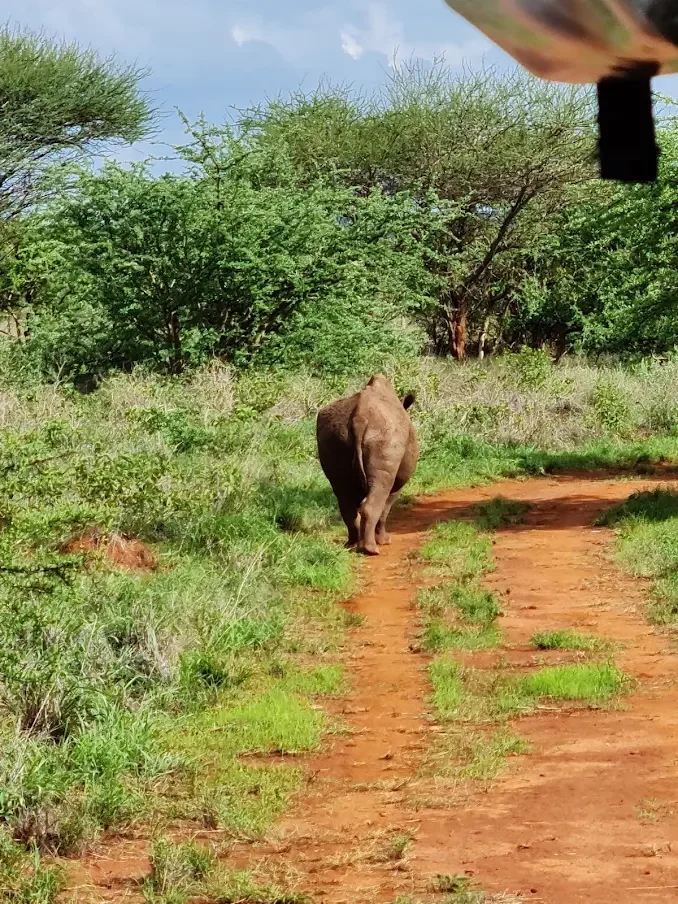
Visitor Guidelines & Responsible Tourism
Visiting the Mkomazi National Park Black Rhino Sanctuary is both a privilege and a responsibility. The sanctuary exists to protect one of Africa's most endangered mammals, and every visitor plays an important role in supporting its conservation mission.
By following the sanctuary's guidelines, you help ensure the safety of the rhinos, protect their natural behavior, and contribute to responsible wildlife tourism in Tanzania.
Follow Your Guide's Instructions
Your professional guide and sanctuary staff are trained to ensure both visitor safety and wildlife protection. Always follow their instructions throughout your visit and remain with your group unless advised otherwise.
Respect the Rhinos' Space
Black rhinos are wild animals and should always be observed from a safe and respectful distance. Avoid approaching, calling out, or attempting to attract their attention.
Allowing rhinos to behave naturally creates a better experience for both the animals and visitors.
Keep Noise to a Minimum
A quiet environment helps reduce stress on wildlife and increases your chances of observing natural behaviors.
Speak softly, silence mobile phones, and avoid sudden movements that could disturb the animals.
Practice Responsible Photography
Photography is an important part of the sanctuary experience, but it should never interfere with wildlife.
When taking photographs:
- Follow your guide's instructions.
- Do not use drones unless officially permitted.
- Avoid actions that may disturb the rhinos.
- Be patient and allow wildlife to behave naturally.
Responsible photography helps protect the animals while preserving unforgettable memories.
Help Protect the Environment
Every visitor can contribute to conservation by respecting the sanctuary and keeping it clean.
Please remember to:
- Dispose of waste properly.
- Avoid damaging vegetation.
- Leave natural objects where they belong.
- Respect all park regulations.
Small actions from every visitor make a big difference in protecting this fragile ecosystem.
Support Wildlife Conservation
Your visit to the sanctuary directly supports wildlife conservation through responsible tourism. By choosing licensed tour operators, respecting park rules, and learning about endangered species, you help promote the long-term protection of Tanzania's natural heritage.
Responsible Visitor Checklist
| Do | Don't |
|---|---|
| Follow your guide's instructions | Do not approach the rhinos |
| Observe wildlife quietly | Do not shout or make loud noises |
| Take photographs responsibly | Do not disturb or feed wildlife |
| Respect park regulations | Do not leave litter behind |
| Support conservation efforts | Do not remove plants, rocks, or other natural objects |
Be Part of the Conservation Story
Every visit to the Mkomazi National Park Black Rhino Sanctuary is an opportunity to support one of Africa's most important wildlife conservation projects. By acting responsibly and respecting the sanctuary's guidelines, you help ensure that future generations will also have the chance to witness these extraordinary animals in their natural environment.
At Morishas Tours & Safaris, we are committed to promoting sustainable tourism that benefits wildlife, local communities, and future travelers alike.
Why Visit the Mkomazi National Park Black Rhino Sanctuary?
A visit to the Mkomazi National Park Black Rhino Sanctuary is more than simply adding another stop to your safari itinerary, it's an opportunity to witness one of Tanzania's greatest wildlife conservation achievements. Here, you'll not only see one of Africa's rarest mammals but also gain a deeper understanding of the dedication and teamwork required to protect endangered species.
Whether you're a wildlife enthusiast, photographer, student, or first-time safari traveler, the sanctuary offers an experience that is both educational and unforgettable.
1. See One of Africa's Rarest Mammals
The eastern black rhinoceros is among the world's most endangered large mammals. Seeing one in its protected habitat is a rare privilege and often becomes the highlight of a visit to Mkomazi National Park.
Unlike common wildlife sightings, every black rhino encounter reminds visitors of the importance of protecting species at risk of extinction.
2. Discover a Remarkable Conservation Success Story
The sanctuary showcases how dedicated conservation efforts can help restore endangered wildlife populations. During your visit, you'll learn about anti-poaching initiatives, scientific research, habitat management, and breeding programs that contribute to the recovery of black rhinos in Tanzania.
3. Enjoy an Educational Wildlife Experience
The Black Rhino Sanctuary is not only about observing animals, it's about understanding them.
Professional guides explain:
- The biology of the eastern black rhinoceros.
- The challenges facing rhino conservation.
- The role of national parks in wildlife protection.
- How responsible tourism supports conservation.
This makes the sanctuary an excellent destination for families, schools, researchers, and anyone interested in nature.
4. Capture Unique Wildlife Photographs
Photographers have the opportunity to capture one of Africa's most iconic animals while respecting strict conservation guidelines.
Combined with the beautiful landscapes of Mkomazi National Park, the sanctuary provides outstanding opportunities for wildlife and documentary photography.
5. Support Sustainable Tourism
Every visit contributes to responsible tourism by supporting conservation, environmental education, and the protection of endangered wildlife.
By choosing to visit the sanctuary through a responsible tour operator like Morishas Tours & Safaris, you become part of a larger effort to protect Tanzania's natural heritage.
Why Travelers Visit the Black Rhino Sanctuary
| Reason | What Makes It Special |
|---|---|
| Rare Wildlife | Observe the critically endangered eastern black rhinoceros. |
| Conservation Learning | Discover how black rhinos are protected and managed. |
| Educational Experience | Learn from professional guides and conservation experts. |
| Wildlife Photography | Capture memorable images in a protected environment. |
| Responsible Tourism | Support wildlife conservation and sustainable travel. |
| Unique Safari Experience | Add a meaningful conservation activity to your Mkomazi adventure. |
A Meaningful Addition to Your Tanzania Safari
While many safari destinations focus on wildlife viewing alone, the Mkomazi National Park Black Rhino Sanctuary offers something deeper, a chance to understand conservation in action.
Your visit is not just about seeing a rare animal; it's about appreciating the remarkable efforts that have helped bring the eastern black rhinoceros back from the edge of extinction. It is an experience that inspires respect for nature and highlights the importance of protecting wildlife for generations to come.
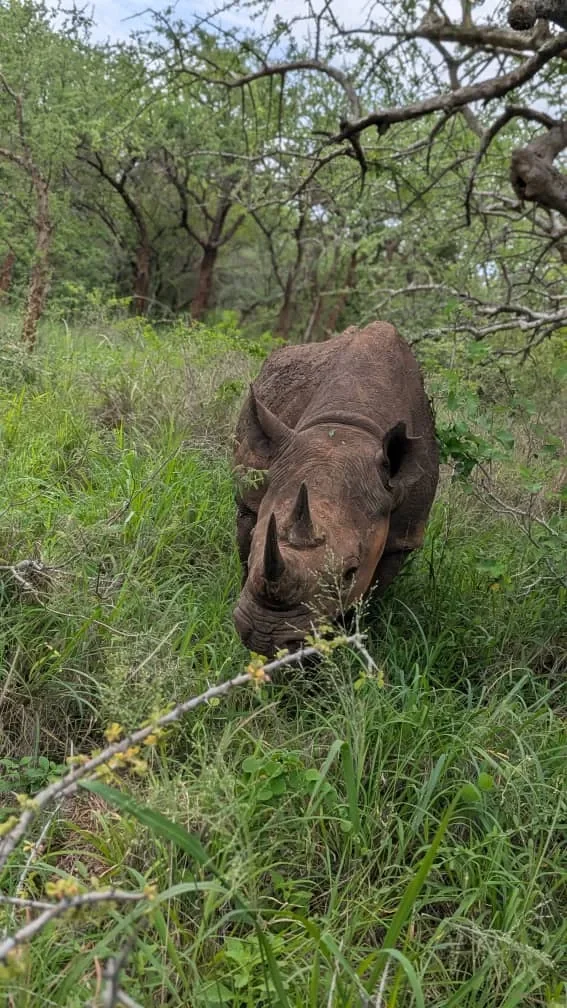
Best Time to Visit the Mkomazi National Park Black Rhino Sanctuary
The Mkomazi National Park Black Rhino Sanctuary is open to visitors throughout the year, but your experience may vary depending on the season.
| Season | Months | Why Visit? |
|---|---|---|
| Dry Season | June – October | Best for black rhino viewing, wildlife photography, and clear weather. |
| Green Season | November – May | Best for lush scenery, birdwatching, and fewer visitors. |
When Is the Best Time to Visit?
For the best chances of seeing black rhinos and enjoying excellent wildlife viewing, plan your visit during the dry season (June–October). If you prefer greener landscapes, colorful birdlife, and a quieter safari experience, the green season (November–May) is also a great time to visit.
No matter the season, the Mkomazi National Park Black Rhino Sanctuary offers a unique opportunity to experience one of Tanzania's most important wildlife conservation projects.
Why Book Your Black Rhino Sanctuary Tour with Morishas Tours & Safaris?
Choosing the right tour operator can make your visit to the Mkomazi National Park Black Rhino Sanctuary more enjoyable, educational, and stress-free. At Morishas Tours & Safaris, we are committed to providing professionally guided experiences that combine wildlife viewing, conservation education, and exceptional customer service.
Why Travel with Us?
- Professional Safari Guides with extensive knowledge of Mkomazi National Park and black rhino conservation.
- Comfortable 4×4 Safari Vehicles designed for safe and enjoyable wildlife viewing.
- Customized Safari Packages tailored for solo travelers, couples, families, and groups.
- Reliable & Personalized Service from your inquiry until the end of your safari.
- Competitive Prices with excellent value and no compromise on quality.
- Responsible Tourism that supports wildlife conservation and sustainable travel.
Why Travelers Choose Morishas Tours & Safaris
| What We Offer | Your Benefit |
|---|---|
| Experienced Safari Guides | Learn from knowledgeable local experts |
| 4×4 Safari Vehicles | Comfortable and reliable transportation |
| Tailor-Made Itineraries | Flexible tours to suit your interests and budget |
| Professional Service | Smooth planning and memorable experiences |
| Conservation-Focused Travel | Support responsible tourism in Tanzania |
Whether you're visiting the sanctuary as part of a day trip or a longer safari, Morishas Tours & Safaris will ensure your journey is safe, informative, and unforgettable.
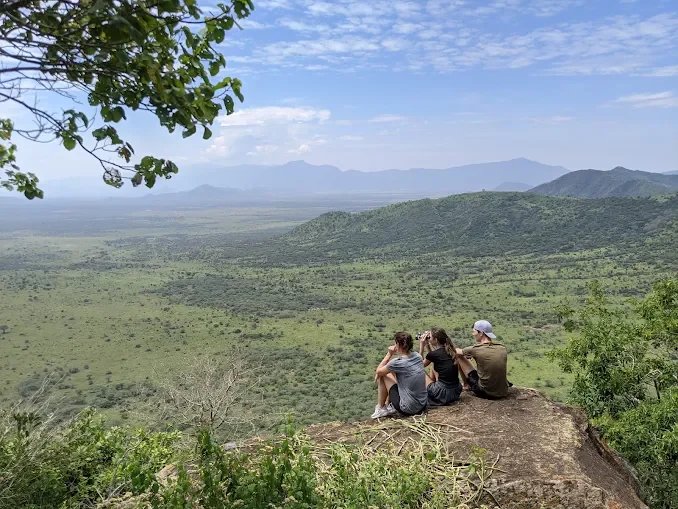
Frequently Asked Questions (FAQs) About the Mkomazi National Park Black Rhino Sanctuary
These frequently asked questions answer some of the most common queries travelers have before visiting the Mkomazi National Park Black Rhino Sanctuary.
1. What is the Mkomazi National Park Black Rhino Sanctuary?
It is a protected conservation area within Mkomazi National Park dedicated to safeguarding the critically endangered eastern black rhinoceros through conservation, research, and anti-poaching efforts.
2. Can visitors see black rhinos at the sanctuary?
Yes. Visitors have the opportunity to observe black rhinos in a protected environment during a guided visit. However, as they are wild animals, sightings cannot be guaranteed.
3. Why is the Black Rhino Sanctuary important?
The sanctuary plays a vital role in protecting and increasing the population of the critically endangered eastern black rhinoceros while supporting wildlife conservation in Tanzania.
4. Is the sanctuary included in a Mkomazi National Park safari?
Many Mkomazi safari packages include a visit to the Black Rhino Sanctuary. Check your itinerary or contact Morishas Tours & Safaris for confirmation.
5. When is the best time to visit the sanctuary?
The sanctuary can be visited throughout the year, but the dry season (June to October) generally offers the best wildlife viewing conditions.
6. Is the sanctuary suitable for families?
Yes. The sanctuary is an excellent destination for families, students, wildlife enthusiasts, and anyone interested in conservation and nature.
7. Can I take photographs during my visit?
Yes. Photography is generally allowed in designated areas, provided visitors follow the instructions of their guide and respect all sanctuary regulations.
8. How do I book a visit to the Black Rhino Sanctuary?
The easiest way is to book through Morishas Tours & Safaris, contact us direc via WhatsApp or Email where our team can arrange your safari, transportation, professional guide, and a customized itinerary.
Still Have Questions?
If you need more information or would like help planning your visit, Morishas Tours & Safaris is ready to assist you. We'll help you choose the best safari package and ensure you enjoy an unforgettable experience at the Mkomazi National Park Black Rhino Sanctuary.
Discover the Mkomazi National Park Black Rhino Sanctuary
The Mkomazi National Park Black Rhino Sanctuary is more than just a wildlife attraction, it's a symbol of hope, conservation, and Tanzania's commitment to protecting one of Africa's most endangered species. A visit to the sanctuary offers a rare opportunity to see the eastern black rhinoceros while learning about the remarkable efforts being made to ensure its survival for future generations.
Whether you're a wildlife enthusiast, photographer, conservation supporter, or first-time safari traveler, the sanctuary provides an inspiring experience that combines education, adventure, and unforgettable wildlife encounters.
At Morishas Tours & Safaris, we're passionate about creating meaningful travel experiences. Our professional guides, comfortable 4×4 safari vehicles, and personalized itineraries ensure you enjoy a safe, informative, and memorable visit to the Black Rhino Sanctuary and Mkomazi National Park.
Book Your Black Rhino Sanctuary Tour Today
Ready to experience one of Tanzania's greatest conservation success stories?
Contact Morishas Tours & Safaris today to book your Mkomazi National Park Black Rhino Sanctuary tour. Let us help you discover the beauty of Tanzania's wildlife while supporting the conservation of the critically endangered eastern black rhinoceros.
Witness conservation in action. Explore Mkomazi. Create memories that last a lifetime.