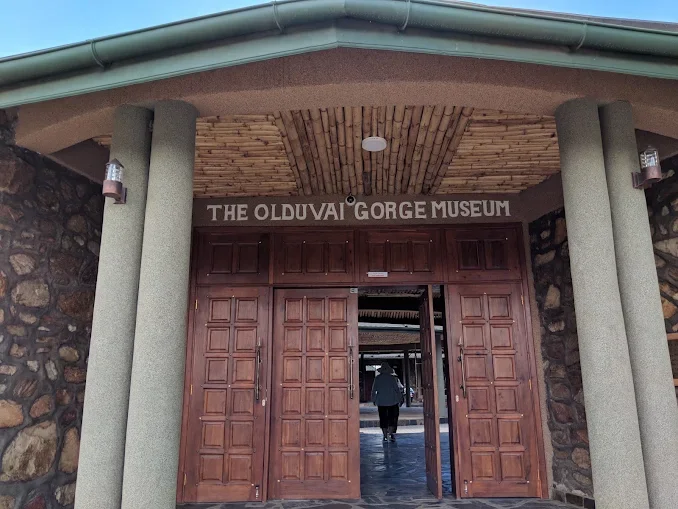
Discover what Olduvai Gorge is famous for, including ancient human fossils, stone tools, and remarkable archaeological discoveries that reveal the story of human evolution in Tanzania.
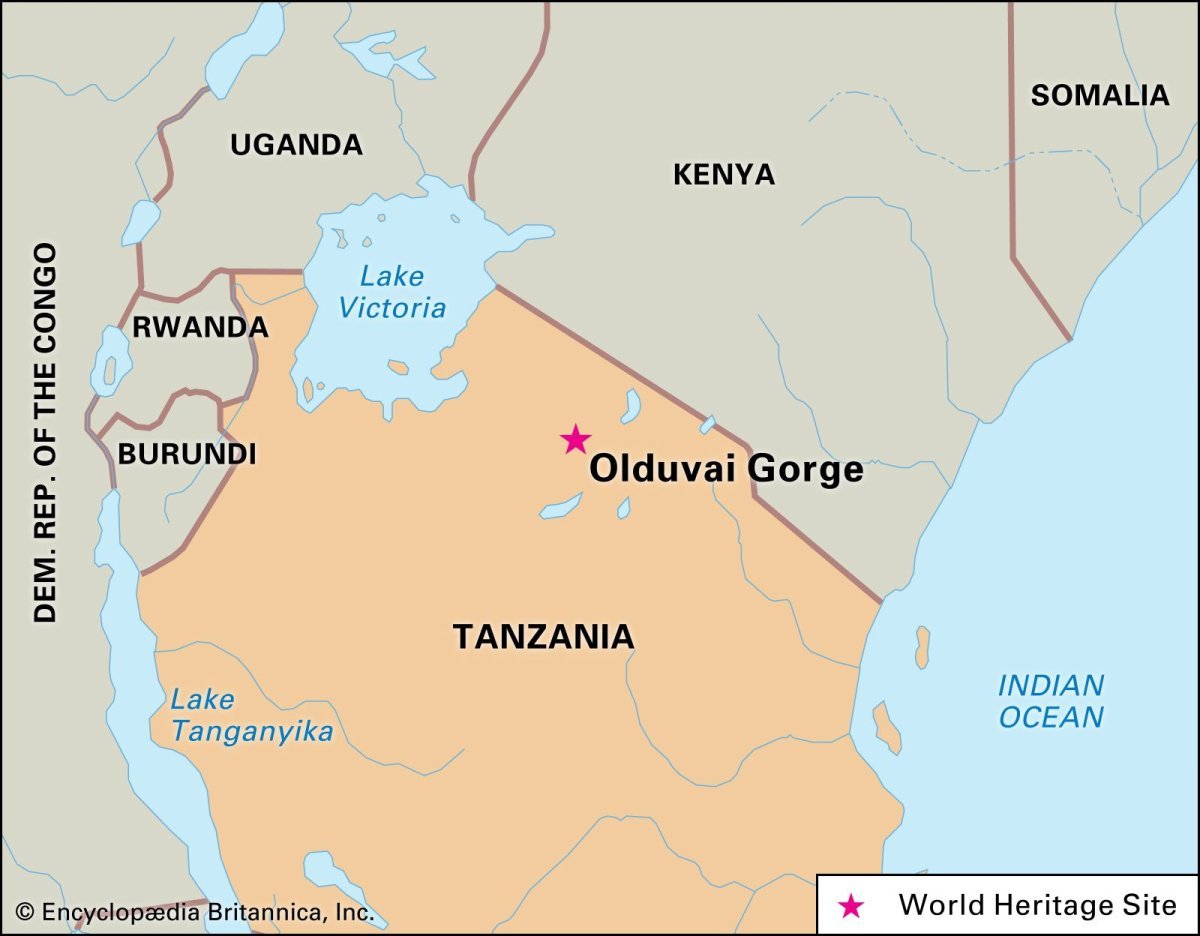
Olduvai Gorge is famous for its exceptional importance in the study of human evolution, early human history, and archaeology. Located in northern Tanzania, this remarkable archaeological site has produced important fossils, ancient stone tools, and other evidence that have helped scientists understand how early humans lived and developed millions of years ago.
The gorge became particularly well known because of major archaeological discoveries made by Louis and Mary Leakey and other researchers. Among the most significant findings are fossils associated with early human ancestors and stone tools that provide evidence of ancient human activity in the area.
Because of these discoveries, Olduvai Gorge is widely regarded as one of the world's most important sites for researching human origins and evolution. Its archaeological record provides valuable evidence about the lives, environments, and technological development of early hominins in East Africa.
So, what is Olduvai Gorge famous for? In simple terms, it is famous for its ancient human fossils, early stone tools, archaeological discoveries, and its major contribution to our understanding of human evolution.
Olduvai Gorge Is Famous for Human Evolution
One of the main reasons Olduvai Gorge is famous is its importance in the study of human evolution. The archaeological layers preserved within the gorge contain evidence from different periods of the distant past, allowing researchers to investigate how early human ancestors lived, developed, and adapted to their environment over millions of years.
Olduvai Gorge has provided scientists with important hominin fossils, stone tools, animal remains, and other archaeological evidence. Together, these discoveries have helped researchers understand changes in early human anatomy, behavior, technology, diet, and the environments in which our ancestors lived.
The site is especially important because it provides a long archaeological record that connects different stages of human evolution. Rather than being famous for just one discovery, Olduvai Gorge is significant because many findings from the area contribute to the broader scientific story of human origins in Africa.
For this reason, Olduvai Gorge remains one of the most important archaeological sites for studying early humans and human evolution, making it a major destination for people interested in archaeology, anthropology, history, and the origins of humankind.
Olduvai Gorge Is Famous for Early Human Fossils
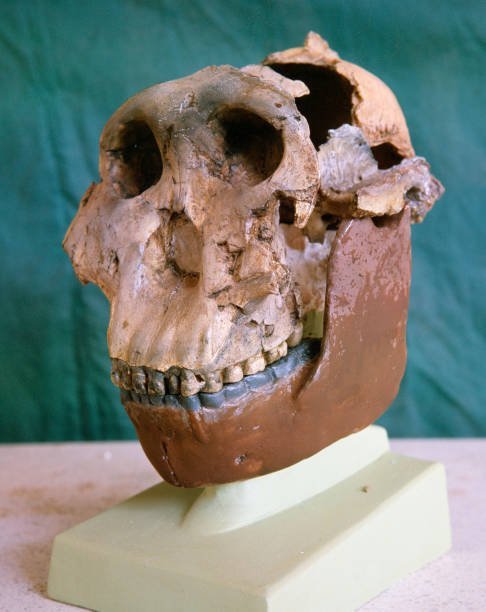
Olduvai Gorge is particularly famous for the early human ancestor fossils discovered within its archaeological layers. These fossils have played an important role in helping scientists study the physical development and evolutionary history of early hominins in Africa.
Among the most important discoveries are fossils associated with Homo habilis, an early human species whose remains and stone tools provided valuable evidence about the development of early human behavior and technology. Researchers also discovered remains of other hominins, including Paranthropus boisei, adding to the scientific understanding of human evolution in East Africa.
The importance of these fossils goes beyond their age. They provide clues about how early human ancestors lived, what environments they inhabited, and how their physical characteristics changed over long periods of time. When studied together with stone tools, animal fossils, and other archaeological evidence, they help create a more complete picture of ancient life.
These remarkable fossil discoveries are one of the major reasons Olduvai Gorge is famous around the world and why the site remains important to researchers studying human origins, early humans, and human evolution.
Olduvai Gorge Is Famous for Ancient Stone Tools
Olduvai Gorge is also famous for its ancient stone tools, which provide important evidence of how early humans used technology to survive and adapt to their environment. Archaeologists have uncovered thousands of stone artifacts from different archaeological layers, showing how toolmaking developed over long periods of human history.
The tools found at Olduvai Gorge include simple stone flakes, choppers, and other cutting implements. Early humans likely used these tools for activities such as cutting meat, processing plants, breaking bones, and working with other materials. Their presence provides valuable clues about the daily activities and technological abilities of early human communities.
The archaeological record at Olduvai Gorge is particularly valuable because stone tools are found alongside hominin fossils and animal remains. Studying these discoveries together helps researchers understand the relationship between early humans, their environment, food sources, and technology.
The stone tools of Olduvai Gorge therefore represent much more than ancient objects. They are important evidence of early human ingenuity and technological development, making the gorge one of the world's most significant archaeological sites for understanding human evolution.
Olduvai Gorge and the Study of Human Origins
Olduvai Gorge is famous for helping scientists investigate where humans came from and how early human ancestors developed over time. Its exceptionally rich archaeological record contains fossils, stone tools, animal remains, and evidence of ancient environments, providing important clues about the lives of hominins in East Africa.
The discoveries from Olduvai Gorge have helped researchers examine major stages in human evolution, including changes in body structure, behavior, technology, diet, and adaptation to the environment. By studying evidence from different geological layers, scientists can compare remains and artifacts from different periods and build a better understanding of how early humans changed through time.
Olduvai Gorge is particularly valuable because its evidence does not come from a single fossil or discovery. Instead, numerous findings from different periods provide a broader picture of human origins and early life in Africa.
For this reason, Olduvai Gorge has become an important reference point in archaeology and anthropology. Its discoveries continue to contribute to scientific research into human evolution and the deep history of humankind.
Famous Archaeological Discoveries at Olduvai Gorge
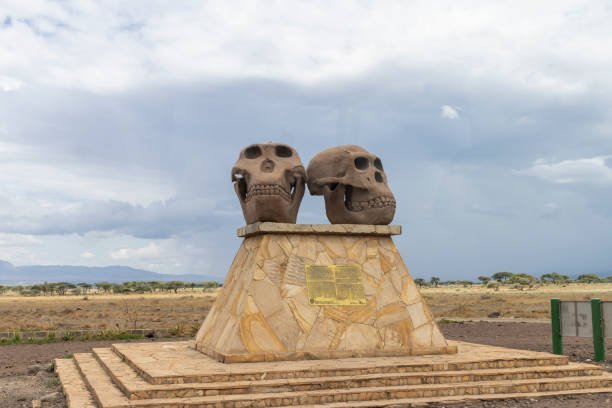
Olduvai Gorge is famous because of the remarkable archaeological discoveries made there over many decades. Researchers have uncovered a combination of early human fossils, stone tools, animal remains, and other evidence that has transformed our understanding of life in Africa millions of years ago.
Some of the most important discoveries include fossils of early hominins such as Homo habilis and Paranthropus boisei, together with ancient stone tools associated with early human activity. These findings have helped scientists investigate how our ancestors lived, what they ate, how they used tools, and how they adapted to changing environments.
The discoveries are particularly significant because they occur within clearly defined geological layers. Each layer preserves evidence from a different period, allowing researchers to study changes in human evolution, technology, climate, and animal life over a very long period.
Together, these archaeological discoveries have made Olduvai Gorge one of the most important places in the world for studying early humans, human evolution, and the ancient history of Africa.
Mary and Louis Leakey’s Contribution to Olduvai Gorge
The international fame of Olduvai Gorge is closely connected to the pioneering archaeological and palaeoanthropological work of Louis Leakey and Mary Leakey. Their research at the site during the 20th century helped bring Olduvai Gorge to worldwide attention and established its importance in the study of human evolution.
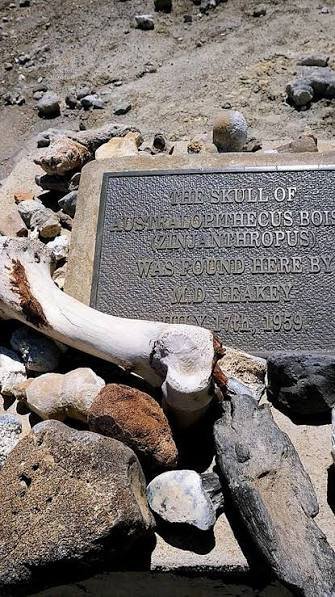
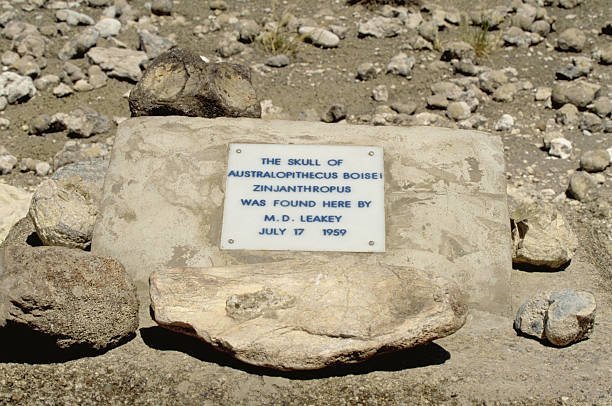
Louis and Mary Leakey carried out extensive excavations at Olduvai Gorge and uncovered important fossils and stone tools. One of their most notable discoveries was the Zinjanthropus boisei, now generally known as Paranthropus boisei, found by Mary Leakey in 1959. The discovery attracted international scientific attention and provided important evidence for understanding early hominins in Africa.
Mary Leakey also made another significant discovery in 1978 at Laetoli, south of Olduvai Gorge: ancient hominin footprints preserved in volcanic ash. Although Laetoli is a separate archaeological site, these footprints became another major contribution to the study of early human movement and evolution in northern Tanzania.
The Leakeys' work helped establish Olduvai Gorge as one of the world's most important archaeological sites. Their discoveries, together with the work of later researchers, continue to provide valuable evidence about early humans, stone-tool technology, and the long history of human evolution in Africa.
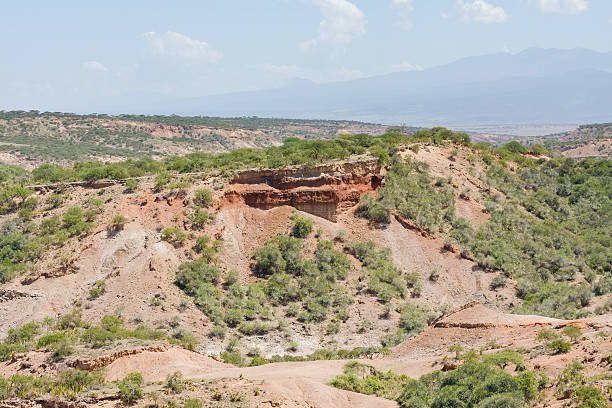
Why Olduvai Gorge Is Called the “Cradle of Humankind”
Olduvai Gorge is often associated with the phrase “Cradle of Humankind” because of the extraordinary evidence of early human ancestors discovered in the area. Fossils, ancient stone tools, animal remains, and other archaeological evidence have helped researchers reconstruct important parts of the story of human evolution in Africa.
The term reflects the wider importance of East Africa in the study of human origins. Olduvai Gorge is one of several major archaeological and palaeoanthropological sites in the region that have produced evidence of early hominins and their activities. Its discoveries have helped scientists understand how our ancestors lived, developed tools, and adapted to their surroundings over millions of years.
Olduvai Gorge is therefore famous not simply because it contains very old fossils, but because the evidence found there helps tell a much larger story about human origins and evolution. The combination of fossils, stone tools, geological layers, and ancient environmental evidence makes the site exceptionally valuable to scientists.
For this reason, Olduvai Gorge remains an important symbol of Africa’s contribution to the story of humankind and one of Tanzania’s most significant archaeological treasures.
Why Olduvai Gorge Is Important to Archaeology and Science
Olduvai Gorge is important to archaeology and science because it preserves a remarkable record of ancient human life and environmental change. The fossils, stone tools, animal remains, and geological layers found at the site allow researchers to study how early hominins lived and adapted to different conditions over millions of years.
One of its greatest scientific values is the ability to examine human evolution together with environmental history. By studying archaeological discoveries alongside geological evidence, scientists can investigate how climate, landscapes, animals, and available resources may have influenced the development and behavior of early human ancestors.
The site has also contributed to the study of early technology. Stone tools found at different archaeological levels provide evidence of changing toolmaking abilities and help researchers understand how early humans used technology to process food and interact with their surroundings.
Because of this combination of archaeological, palaeoanthropological, and geological evidence, Olduvai Gorge continues to be an important research site. Its discoveries have helped expand scientific knowledge about human origins, early technology, ancient environments, and the evolution of human behavior.
Ultimately, Olduvai Gorge is famous not only for what was discovered there, but also for how those discoveries have changed our understanding of the deep history of humankind.
What Makes Olduvai Gorge Different from Other Archaeological Sites?
Olduvai Gorge stands out from many other archaeological sites because of the exceptionally rich and continuous record of early human evolution preserved in its geological layers. Rather than being known for only one type of discovery, the gorge has produced a combination of hominin fossils, ancient stone tools, animal remains, and evidence of past environments.
Another important feature is the relationship between these discoveries. Researchers can study fossils alongside stone tools and environmental evidence to better understand how early humans lived, obtained food, used technology, and responded to changes in their surroundings.
Olduvai Gorge is also significant because discoveries from different layers represent different periods of the ancient past. This allows scientists to investigate changes in human anatomy, behavior, technology, and environment over millions of years.
Its connection with major researchers such as Mary and Louis Leakey has further strengthened its importance in archaeological and palaeoanthropological research. Their discoveries helped establish the site as a major location for investigating human origins.
For these reasons, Olduvai Gorge is more than an archaeological attraction. It is an important scientific record that helps researchers piece together the story of early humans and human evolution in Africa.
Why Should You Visit Olduvai Gorge?
Visiting Olduvai Gorge offers a unique opportunity to connect with the deep history of human evolution. Unlike a typical tourist attraction, the gorge allows visitors to explore a place where important fossils, ancient stone tools, and archaeological evidence have helped scientists understand the story of our early ancestors.
One of the main reasons to visit is to appreciate the significance of the discoveries made by researchers such as Mary and Louis Leakey. Seeing the landscape where these important discoveries took place can make the history of human evolution more meaningful and memorable.
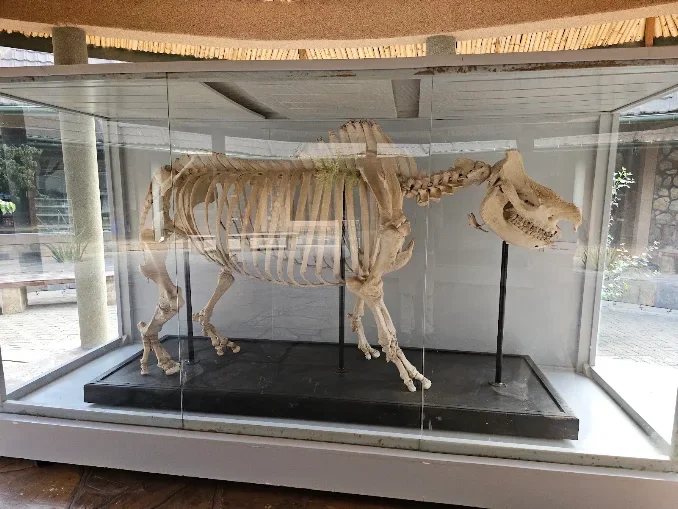
Olduvai Gorge is also an excellent destination for travelers interested in archaeology, anthropology, history, science, and African heritage. The experience becomes even more fascinating when combined with a visit to the nearby archaeological museum, where visitors can learn more about the fossils, tools, and discoveries associated with the area.
For travelers exploring northern Tanzania, Olduvai Gorge provides a chance to experience a different side of the country beyond its famous wildlife. It connects the landscapes of Tanzania with the much larger story of human origins and evolution.
Ultimately, visiting Olduvai Gorge is an opportunity to stand in a place of extraordinary scientific importance and gain a deeper appreciation of the evidence that has helped shape our understanding of where humans came from and how our ancestors evolved.
Why Olduvai Gorge Remains Famous
Olduvai Gorge remains famous because it provides some of the world's most important evidence for understanding human evolution and early human history. Its ancient hominin fossils, stone tools, animal remains, and geological layers have helped researchers investigate how our ancestors lived, developed technology, and adapted to changing environments over millions of years.
The pioneering work of Mary and Louis Leakey played a major role in bringing the site to international attention, while discoveries made by generations of researchers have continued to expand scientific knowledge about human origins.
Today, Olduvai Gorge is more than an archaeological site in Tanzania. It is an important part of the global story of human evolution, African heritage, and the origins of humankind. For anyone interested in archaeology, history, anthropology, or the story of our ancestors, Olduvai Gorge offers a fascinating connection to the distant past.
In short, Olduvai Gorge is famous for its ancient human fossils, early stone tools, major archaeological discoveries, and extraordinary contribution to our understanding of human evolution.
Why Choose Morishas Tours & Safaris for Your Olduvai Gorge Experience?
Choosing Morishas Tours & Safaris gives you the opportunity to explore Olduvai Gorge with a trusted local Tanzania tour operator that understands the history, culture, and landscapes of northern Tanzania.
- Local Tanzania Expertise: Our team has strong knowledge of Olduvai Gorge and the surrounding northern Tanzania destinations.
- Experienced Safari Guides: Travel with professional guides who can help you understand the archaeological importance of the gorge and its connection to human evolution.
- Tailor-Made Experiences: We can organize your Olduvai Gorge visit as part of a customized Tanzania safari based on your interests, schedule, and budget.
- Combine History with Wildlife: Experience the archaeological significance of Olduvai Gorge alongside Tanzania’s famous wildlife destinations, including the Serengeti and Ngorongoro area.
- Comfortable & Reliable Travel: Enjoy well-organized transportation and carefully planned safari experiences throughout your journey.
- Personalized Service: Whether you are traveling solo, as a couple, with family, or in a group, we work to make your experience smooth and memorable.
- Responsible Tourism: We support responsible travel that respects Tanzania’s natural environment, cultural heritage, and local communities.
With Morishas Tours & Safaris, your visit to Olduvai Gorge becomes more than sightseeing, it becomes an opportunity to discover one of Tanzania’s most important places in the story of human evolution.
Frequently Asked Questions About What Olduvai Gorge Is Famous For
1. What is Olduvai Gorge most famous for?
Olduvai Gorge is most famous for its important fossils, ancient stone tools, and archaeological discoveries related to human evolution. These findings have helped scientists understand the history of early human ancestors in Africa.
2. Why is Olduvai Gorge important to human evolution?
Olduvai Gorge contains evidence from different periods of the ancient past, including hominin fossils and stone tools. This evidence helps researchers study changes in human anatomy, behavior, technology, and adaptation over millions of years.
3. What fossils were found at Olduvai Gorge?
Important hominin fossils associated with Olduvai Gorge include Paranthropus boisei and Homo habilis. These discoveries have contributed significantly to research into early human evolution.
4. Who discovered the famous fossils at Olduvai Gorge?
Mary and Louis Leakey were among the most influential researchers at Olduvai Gorge. Mary Leakey's 1959 discovery of Paranthropus boisei was particularly important in bringing worldwide attention to the site.
5. What are the stone tools at Olduvai Gorge famous for?
The stone tools provide evidence of early human technology and show how ancient hominins used simple tools to process food and interact with their environment.
6. Is Olduvai Gorge the Cradle of Humankind?
Olduvai Gorge is widely associated with the “Cradle of Humankind” because of its exceptional contribution to the study of human origins. More broadly, the phrase refers to the importance of Africa, especially East Africa, in understanding human evolution.
7. Why is Olduvai Gorge important to archaeology?
Olduvai Gorge preserves fossils, stone tools, animal remains, and geological evidence within ancient layers. Studying these materials together provides a broader understanding of early human life and environmental change.
8. Why is Olduvai Gorge important to Tanzania?
Olduvai Gorge is one of Tanzania's most important archaeological and scientific heritage sites. It represents the country's major contribution to global research into human origins, archaeology, and human evolution.
9. How Can You Book an Olduvai Gorge Tour?
You can Book an Olduvai Gorge tour direcy with Morishas Tours & Safaris is simple and flexible. Contact our team through WhatsApp or email and share your preferred travel dates, number of travelers, and any special interests or requirements.
Our team will help you plan your Olduvai Gorge visit and can combine it with other Northern Tanzania highlights such as the Serengeti National Park and Ngorongoro Conservation Area. We can also customize the experience according to your travel schedule, budget, and preferred safari style.
Contact Morishas Tours & Safaris today and start planning your journey to Olduvai Gorge, the remarkable archaeological site connected to the story of human evolution.