The Greatest Show on Earth
Experience the awe-inspiring Great Migration with Morishas Tours and Safaris. Over two million wildebeest, zebras, and gazelles thunder across the Serengeti plains, crossing crocodile-infested rivers. Discover the best time to witness this natural phenomenon.
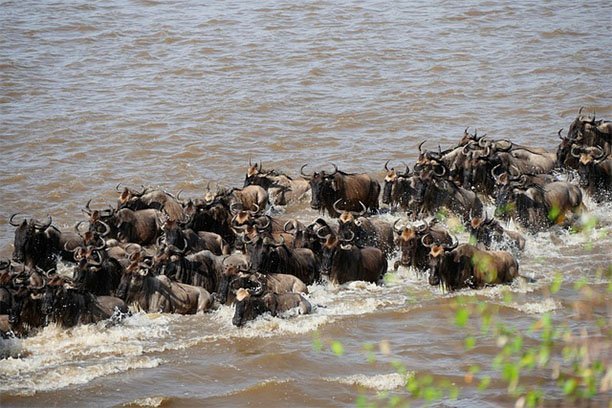
It's a scene of raw, pulse-quickening drama—nature at its most primal, played out beneath vast African skies. Wildebeest plunge into muddy rivers as crocodiles snap from below and lions prowl the banks. This is the Great Migration, one of the most impressive natural phenomena on the planet, where over two million wildebeest, zebras, and gazelles follow the rains across Tanzania's Serengeti ecosystem in a relentless quest for greener pastures.
The sheer scale of this journey is difficult to comprehend. The herds travel over 800 kilometres in an eternal, circular route driven by rainfall and the search for fresh grass. To stand before this moving river of life, to hear the chorus of hooves and grunts, and to feel the ground tremble beneath you is an experience that stays with you forever.
The Rhythm of the Herds
Understanding the Great Migration's rhythm is essential. It is not a single dramatic moment that happens on cue, but a constant, slow-moving phenomenon influenced by rainfall, grazing patterns, and instinct. While nature doesn't always play by the rules, the herds' movements follow a broadly predictable annual pattern.
January to March: Calving Season in the Southern Serengeti
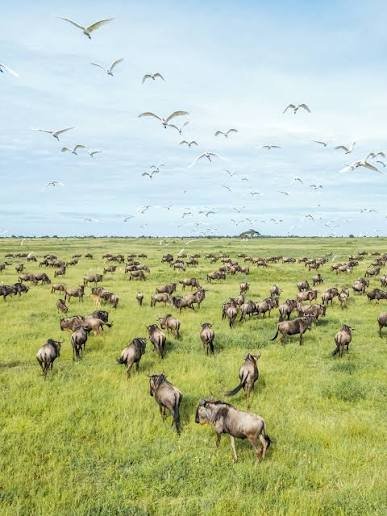
The year begins with the herds gathered on the lush plains of the southern Serengeti and the Ndutu region, spilling over into the Ngorongoro Conservation Area. This is calving season, an extraordinary time when approximately 500,000 wildebeest calves are born within just a few weeks. It is a time of new life, but also one of high drama as predators like lions and cheetahs take advantage of the vulnerable newborns.
April to June: The Journey North Begins
As the rains begin, the herds start their long journey northwards in search of fresh grazing. They move through the central Serengeti, then veer west into the Grumeti corridor. By June, the herds must cross the Grumeti River, a perilous crossing infested with crocodiles.
July to October: The Legendary Mara River Crossings
This is the peak of the migration season and arguably the most sought-after moment to witness. The herds gather in staggering numbers in the northern Serengeti, preparing to cross the crocodile-infested Mara River into Kenya's Maasai Mara. The tension is palpable as wildebeest stand for hours observing the water—waiting to see if a movement is a rock or a crocodile. Once the first animal enters, the chaos begins.
The Mara River crossings are the "primary target" for many travellers coming to see the Great Migration. With dramatic scenes across ten major crossing points, this is the highlight for many safari enthusiasts.
November to December: Returning South
As the short rains begin, the herds fragment and begin their journey south through the eastern Serengeti, returning to the southern plains where the cycle began.
A Moving Phenomenon
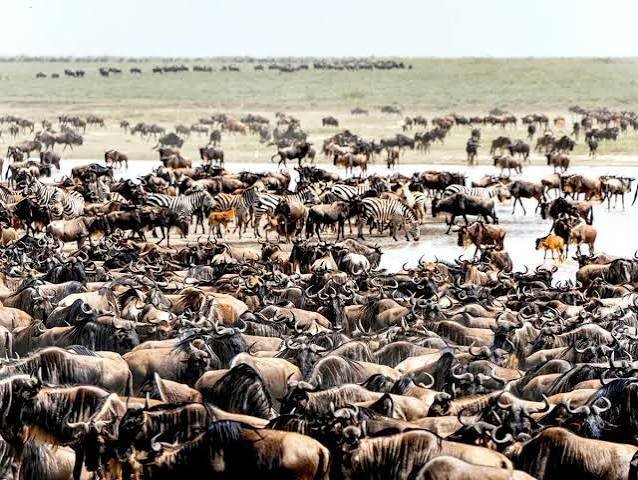
One of the most important things to remember is that the Great Migration is a natural, unpredictable event. The exact timing can shift due to climate change and unseasonal rains. Recently, the migration season has extended, with beautiful river crossings occurring as late as mid-November. Wildlife should never be distressed or disturbed for our entertainment; respectful viewing ensures these animals remain wild and free.
With Morishas Tours and Safaris, you can witness this epic journey in motion. Our expert guides will help you navigate the vast landscapes and position you for an unforgettable encounter with one of the last great animal migrations on Earth.