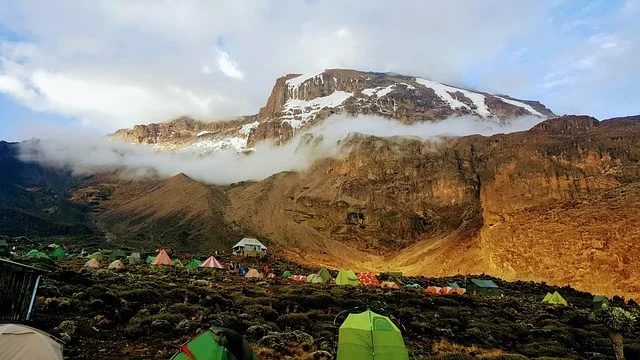
Mount Kilimanjaro stands as Africa's tallest mountain at 5,895 meters (19,341 feet) above sea level. This dormant volcano in northeastern Tanzania attracts over 50,000 climbers annually, making it one of the most popular trekking destinations in the world.
Unlike many of the world's highest peaks, Kilimanjaro does not require technical climbing skills, making it accessible to trekkers with good physical fitness. However, the altitude presents the biggest challenge, with summit success rates varying significantly depending on the route chosen.
The Three Volcanic Cones
Mount Kilimanjaro is composed of three distinct volcanic cones:
• Kibo – The highest peak at 5,895m, with the famous Uhuru Peak
• Mawenzi – The second highest at 5,149m, rugged and technical
• Shira – The oldest cone at 3,962m, now collapsed into a plateau
Best Time to Climb
The best weather conditions for climbing Kilimanjaro occur during two dry seasons:
January to March: Warmer temperatures, clear views, and less crowded trails.
June to October: The primary climbing season with the most stable weather.
The rainy seasons (March-May and November-December) are generally avoided due to slippery trails and reduced visibility.
Popular Trekking Routes
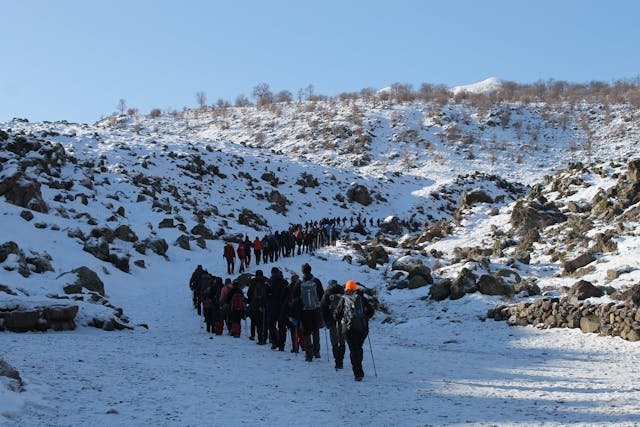
RouteDurationDifficultySuccess RateBest ForLemosho Route7-8 DaysModerate85-95%Scenery & AcclimatizationMachame Route6-7 DaysModerate-Challenging80-90%Adventure & VarietyMarangu Route5-6 DaysEasy-Moderate60-70%Comfort & BeginnersRongai Route6-7 DaysModerate75-85%Quiet & Northern ViewsNorthern Circuit8-9 DaysModerate90-95%Highest Success Rate
Essential Preparation Tips
- Physical Training: Start training 3-4 months in advance with cardio and strength exercises.
- Acclimatization: Choose longer routes for better altitude adaptation.
- Packing Essentials: Layered clothing, waterproof gear, hiking boots, headlamp, and trekking poles.
- Hydration: Drink 3-4 liters of water daily. Avoid alcohol during the climb.
- Mental Preparation: Summit night is the toughest challenge—prepare for 6-8 hours of climbing in darkness and cold.
Summit Night: The Ultimate Challenge
Summit night typically starts around 11:00 PM or midnight, requiring climbers to ascend from high camp to Uhuru Peak in darkness.
The 6-8 hour climb involves:
• Extremely cold temperatures (-10°C to -20°C)
• Steep, switchback trails on loose scree
• Possible altitude sickness symptoms
• Limited visibility outside of headlamp beam
Reaching Uhuru Peak to witness the sunrise over the African plains is one of the most rewarding experiences of any trekker's life.
Cost and Logistics
The cost of climbing Kilimanjaro typically ranges from $2,000 to $4,500 USD depending on route choice, duration, and level of service.
This usually includes:
• Park fees and permits
• Accommodation (huts or camping)
• Experienced guides and porters
• Meals and water
• Emergency oxygen and first aid